

UPDATE: The Finer Progress with Sonic World Ultimate
Back So Soon?
So, you remember two days ago (or three, who even keeps track anymore?), when I stated I would only be including encore versions of many stages in Sonic World Ultimate? Yeah, this included different times of day and weather conditions, but some were reskinned into unrelated stages in the same vein that Sonic World DX turned Hang Castle and Sky Sanctuary into Night Palace. The best example of this was Sand Ocean, which I retextured into Evil Foundry partly by turning the quicksand into lava because the quicksand water type wasn’t affected by lighting. Well… welcome to my world again. Not only have enhanced versions of the original, non-encore stages already been created, but default Sand Ocean now has quicksand that is, indeed, affected by lighting—just not as a water type. Let’s show those off first, as I have a perfect segue into the rest of the post.
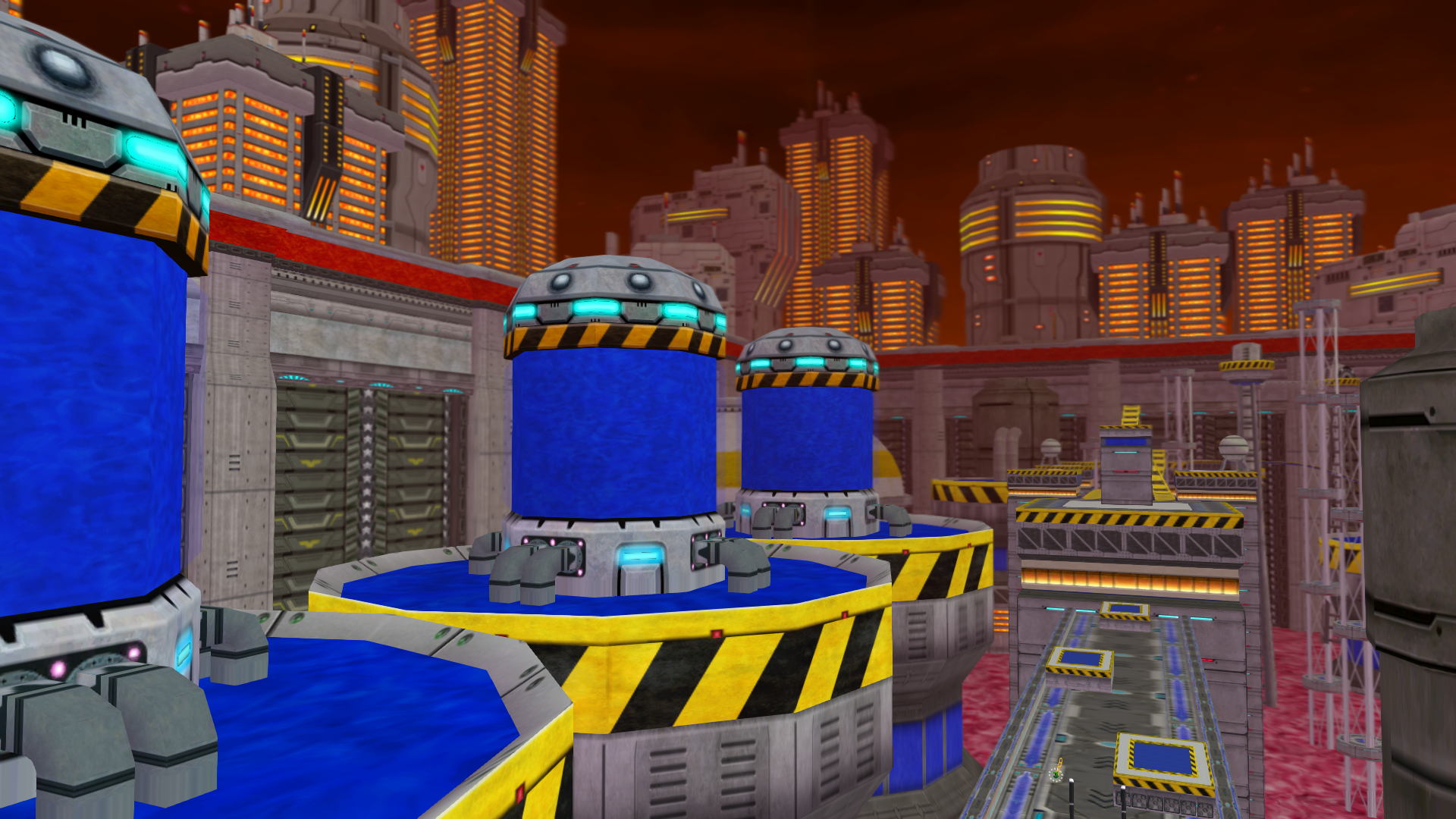
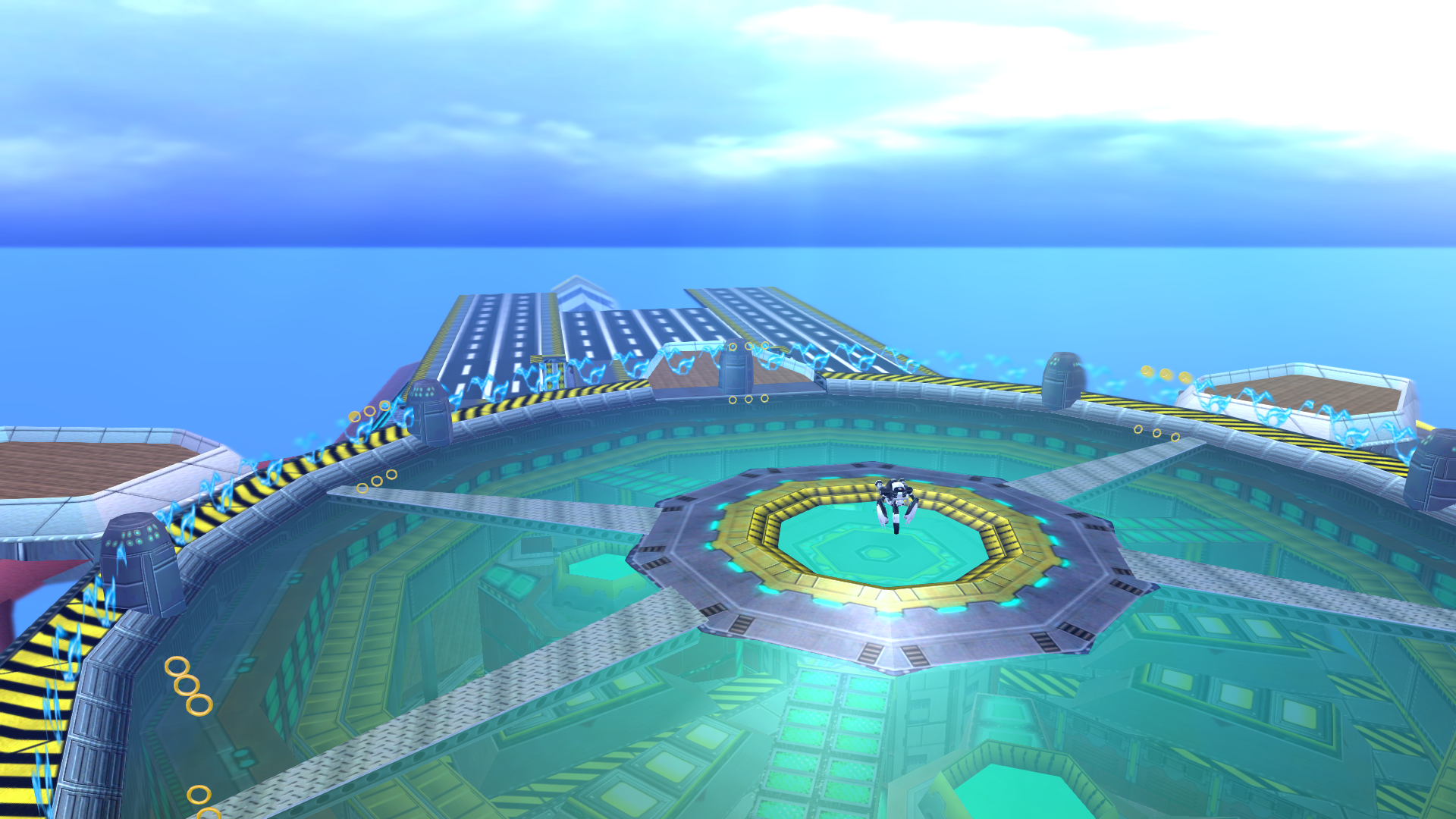
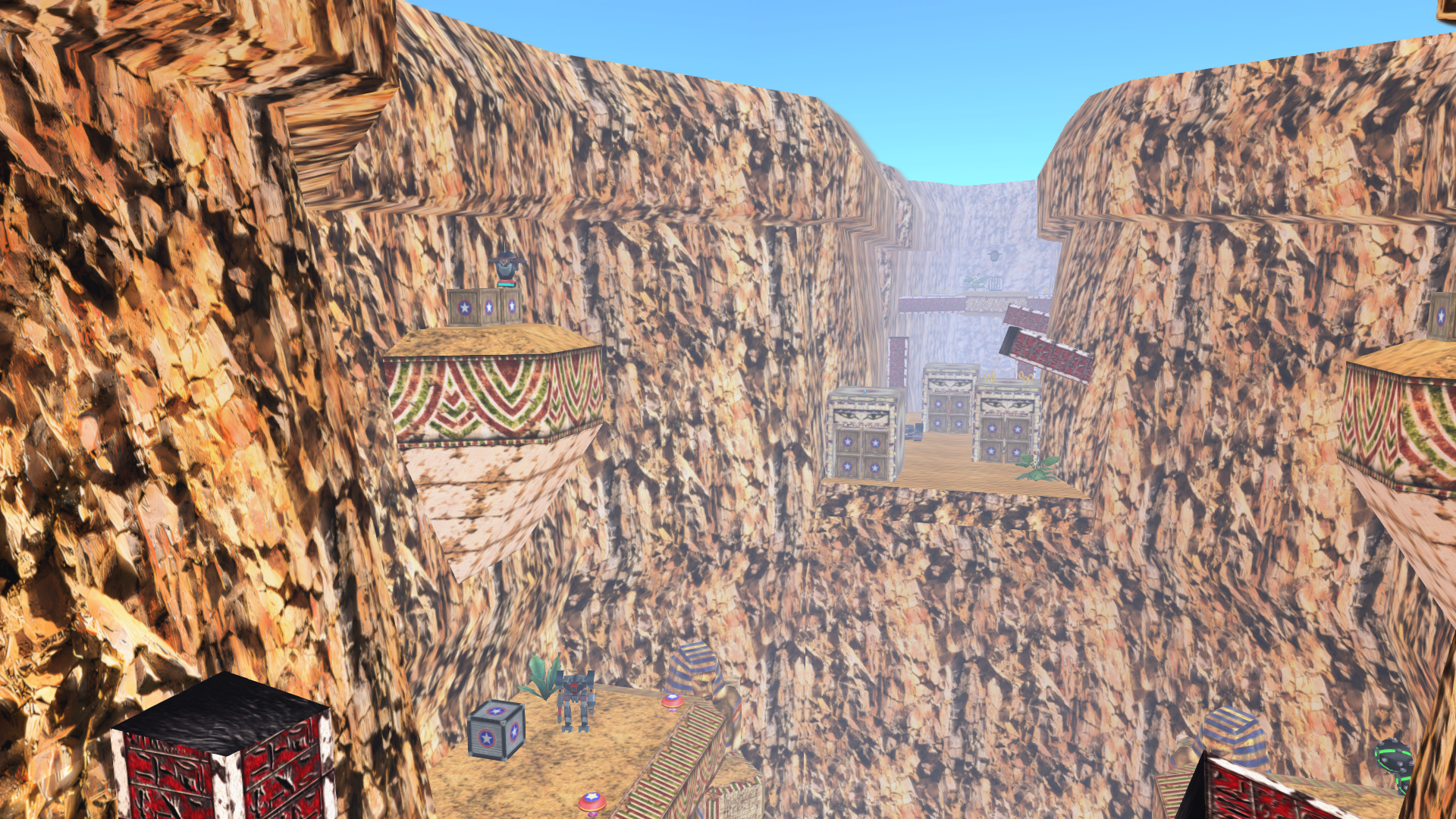
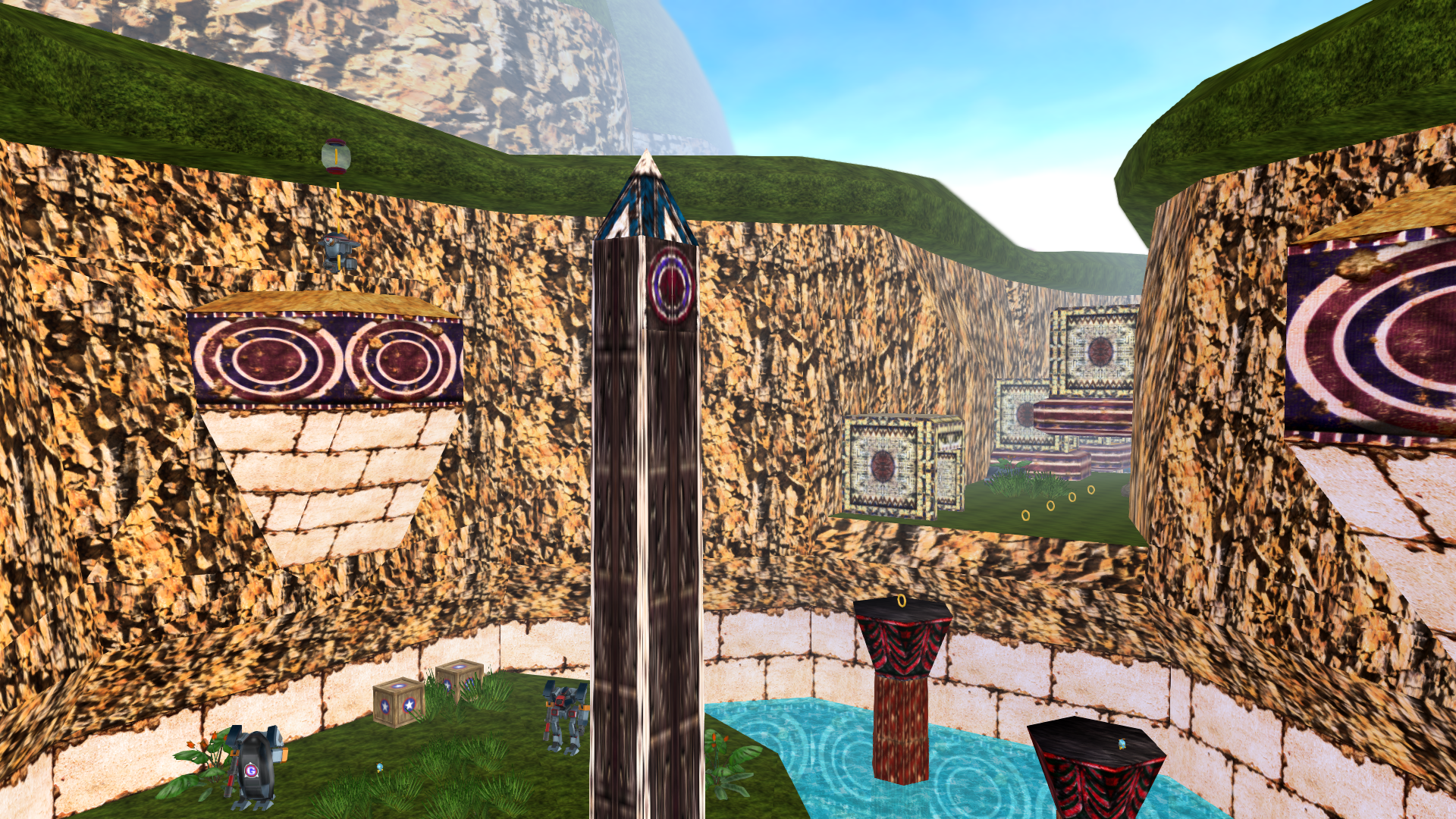
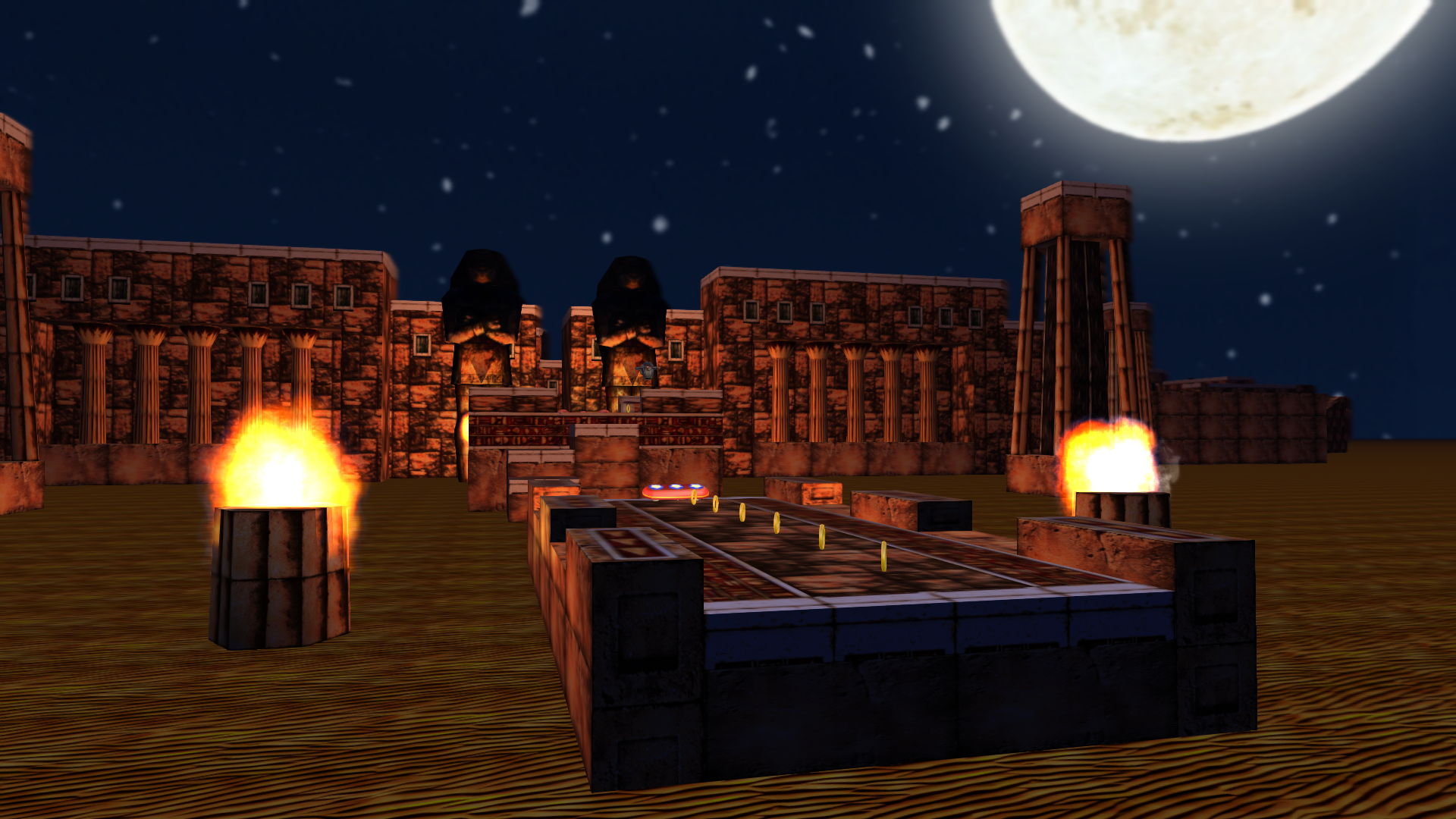
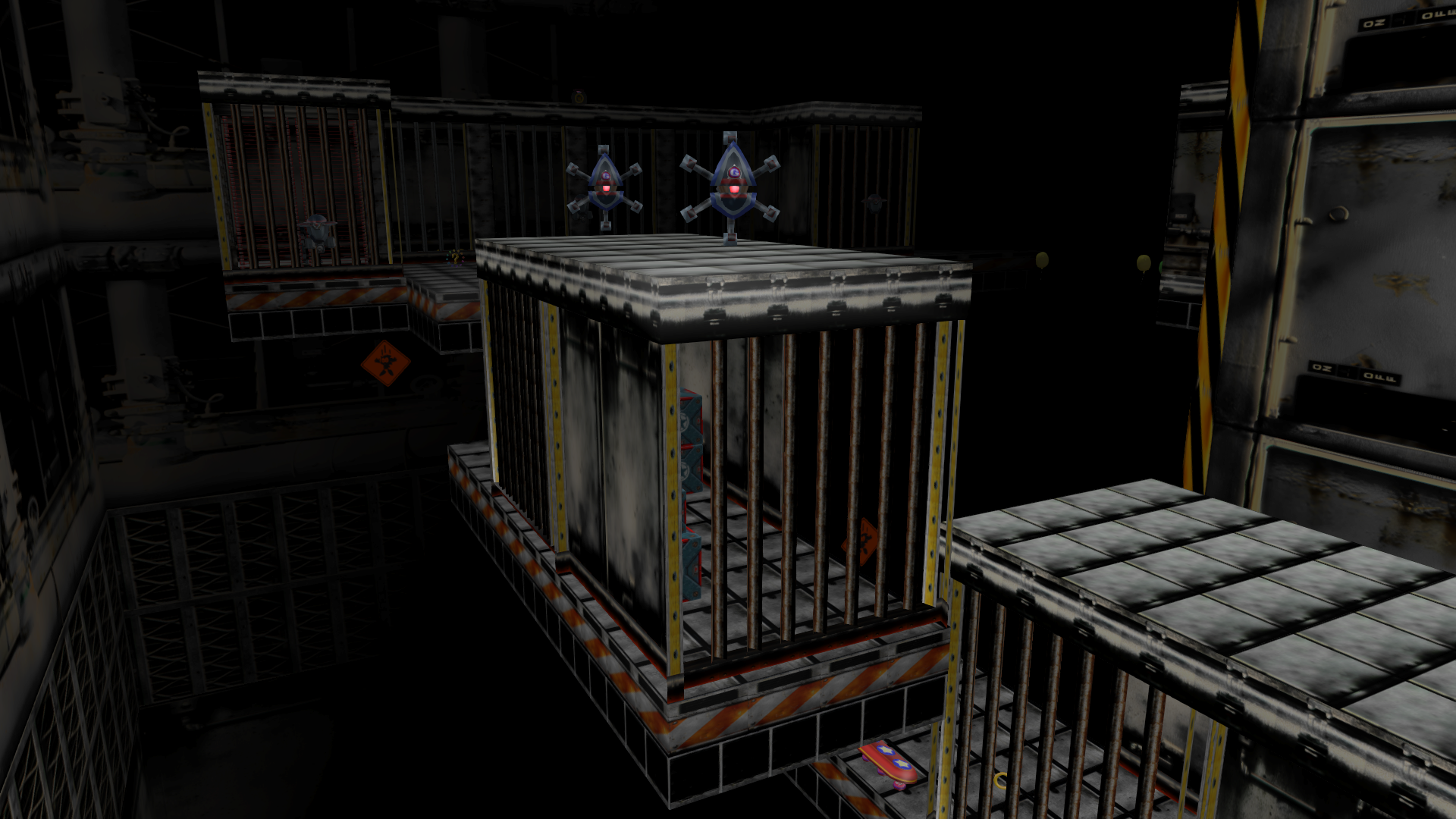
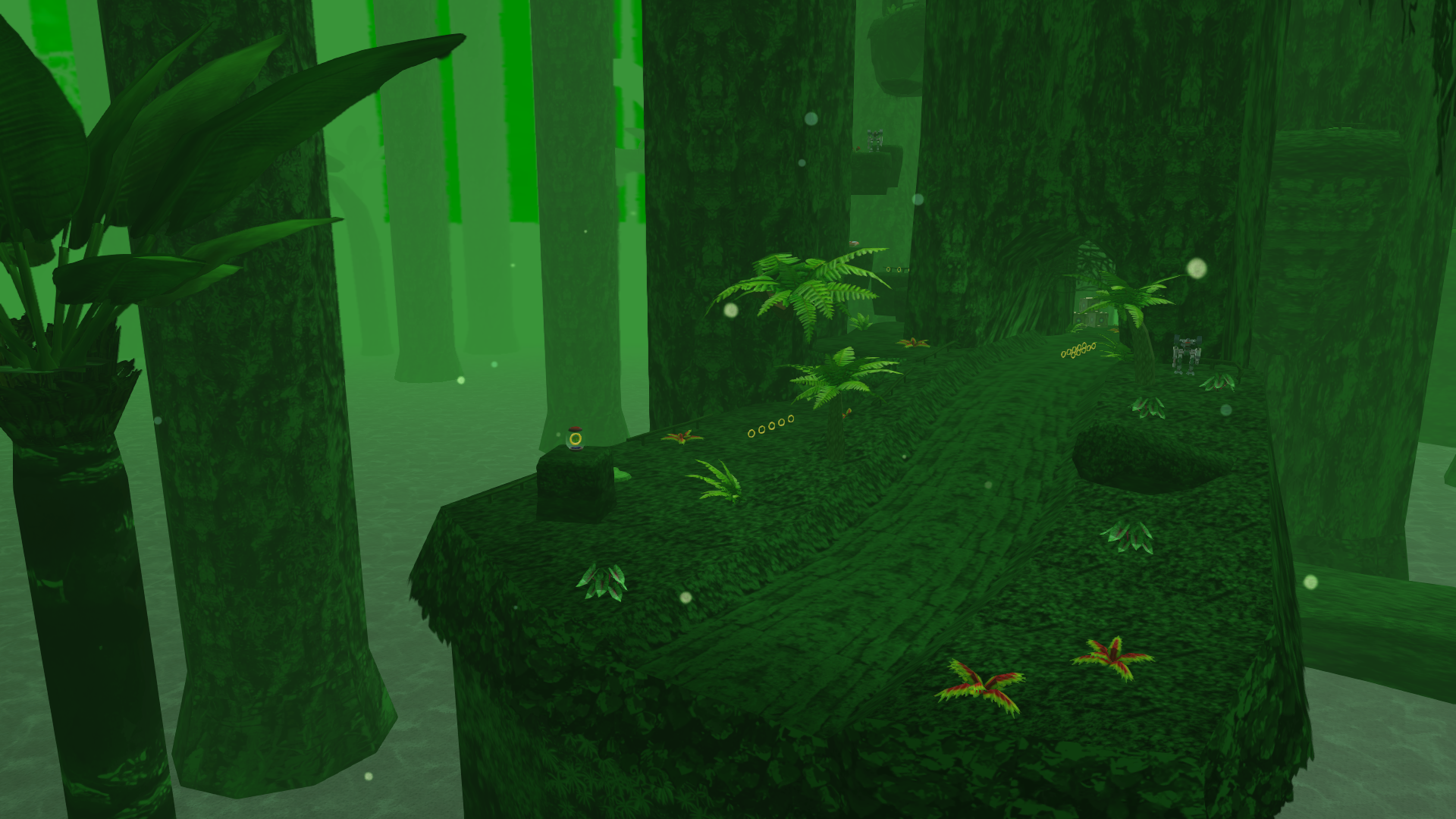
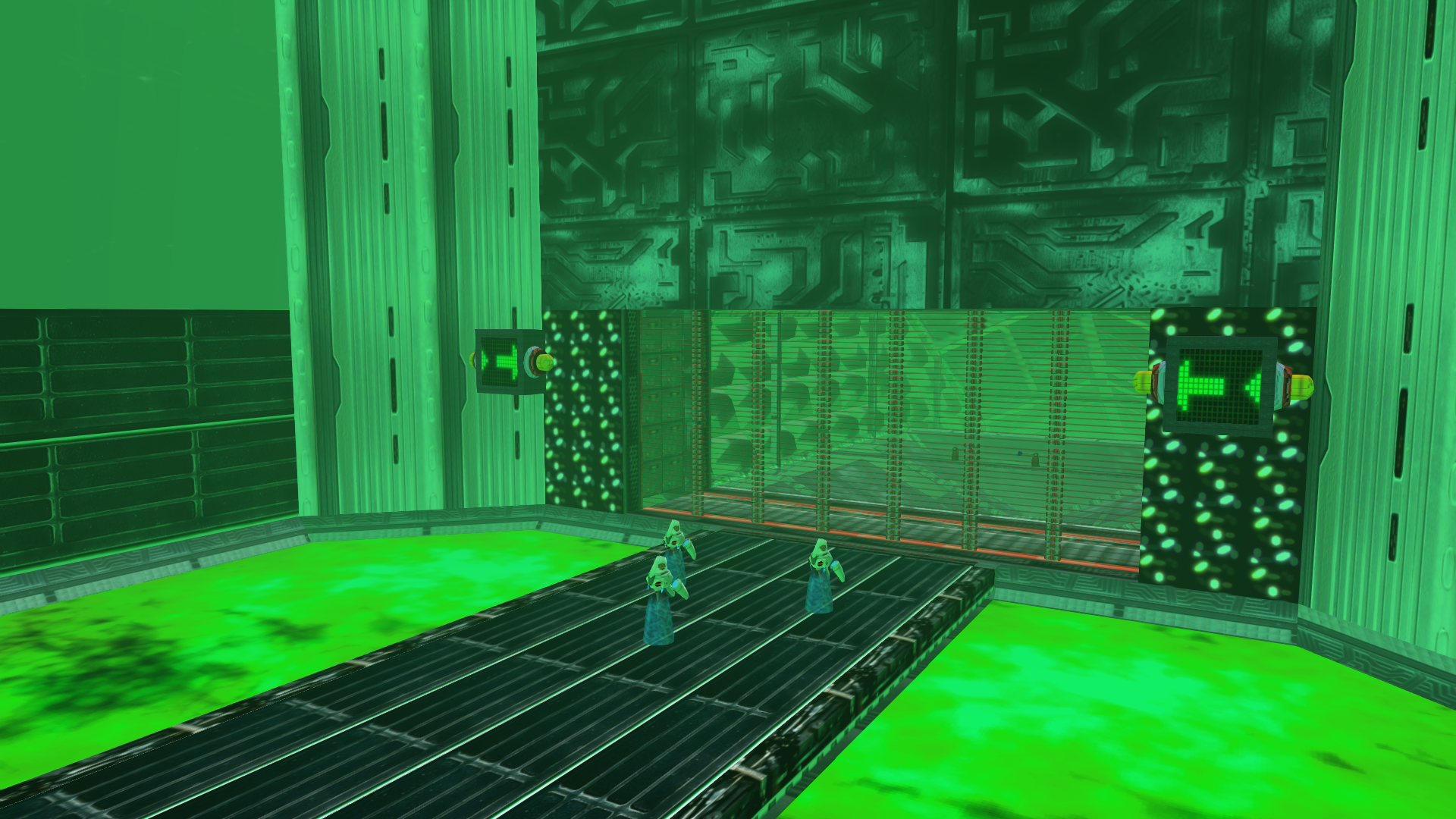
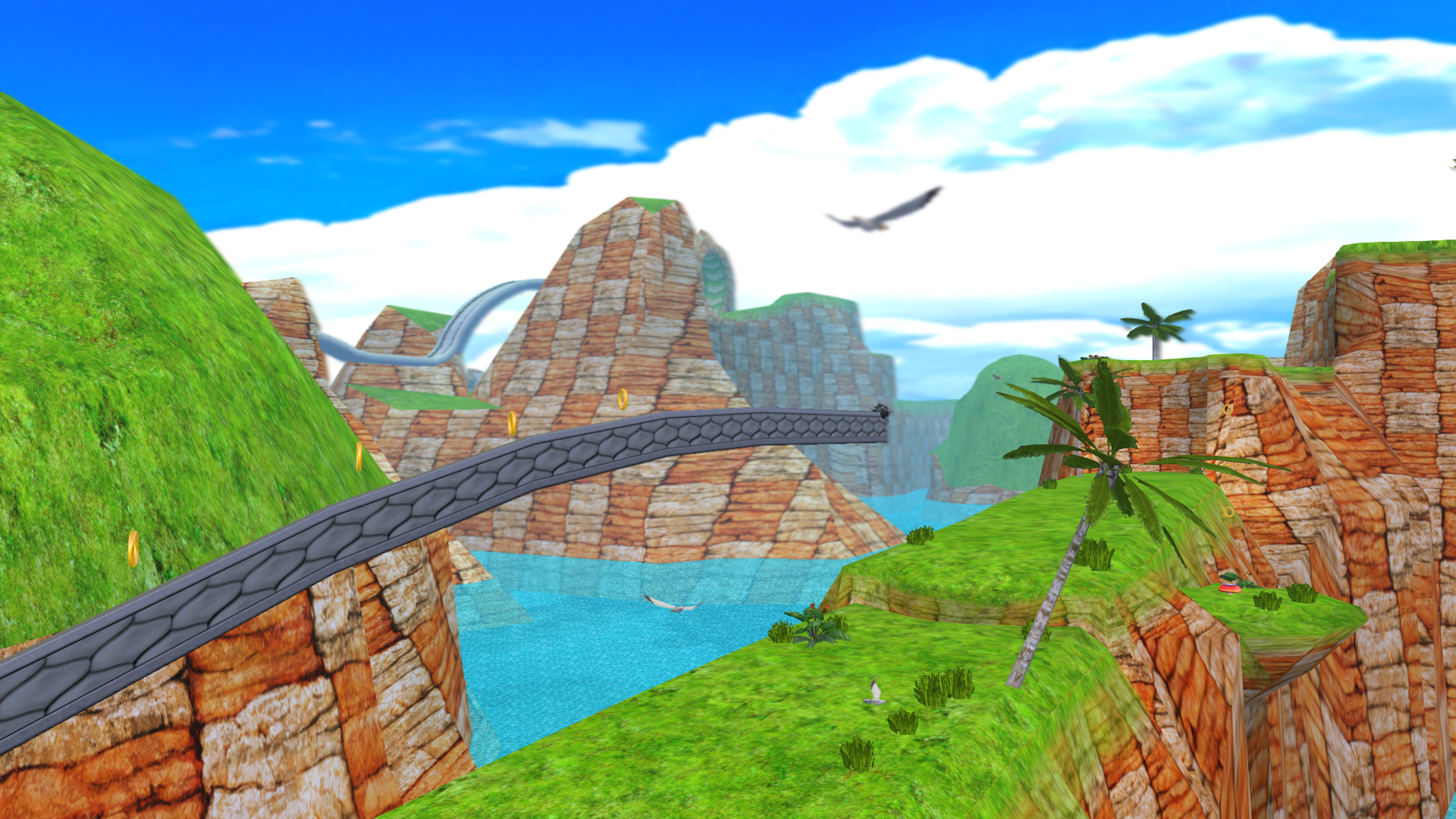
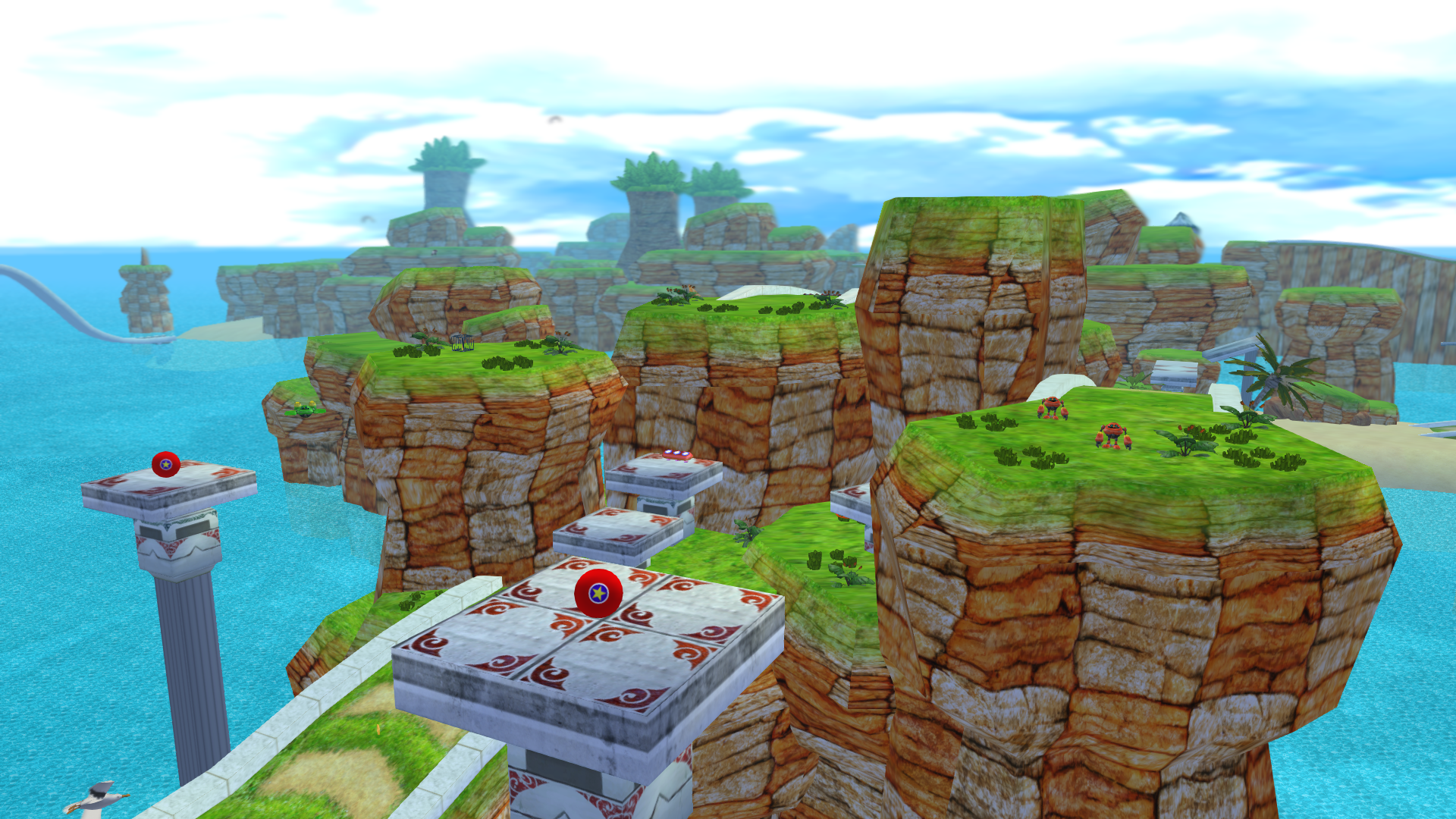
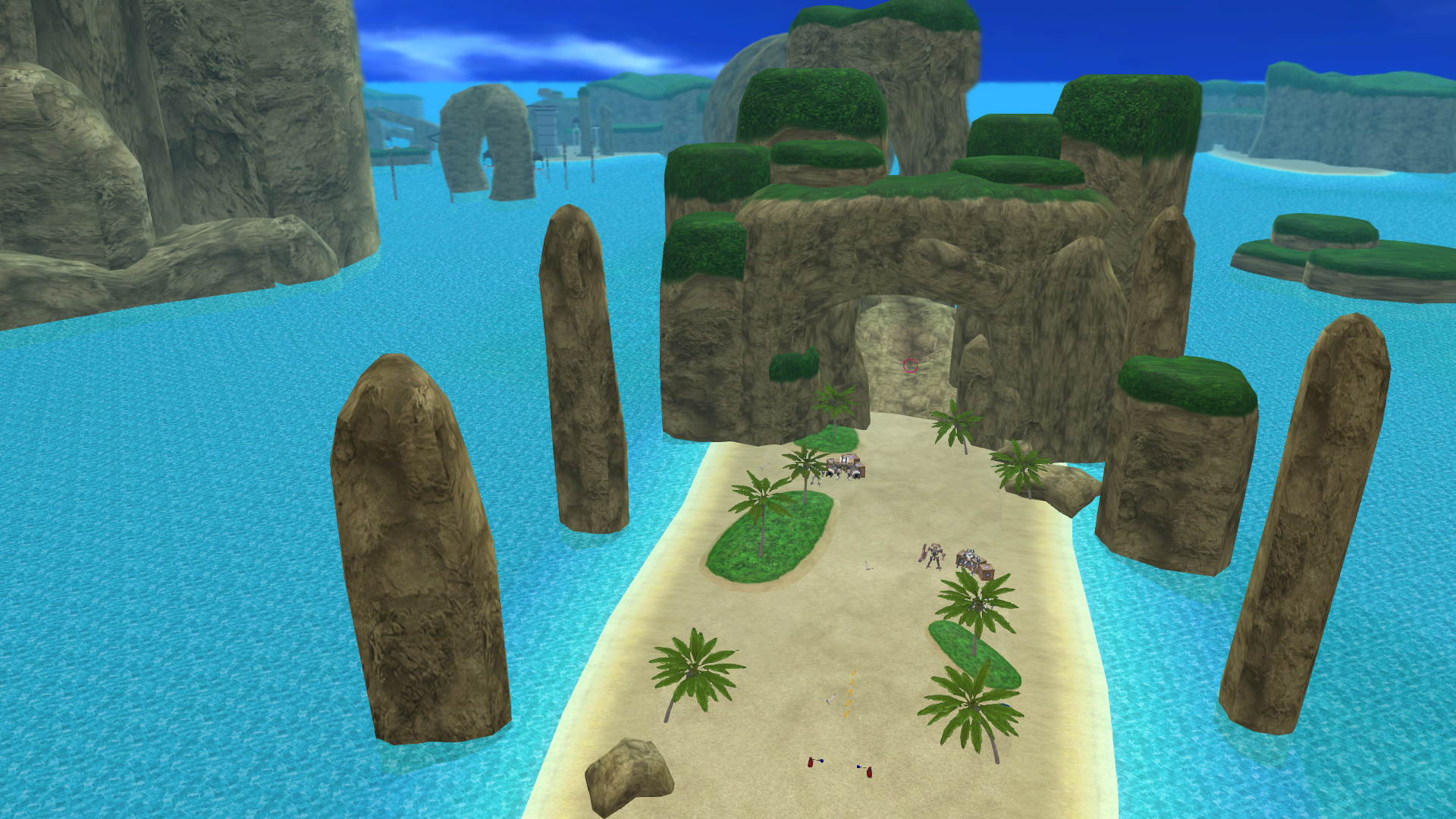
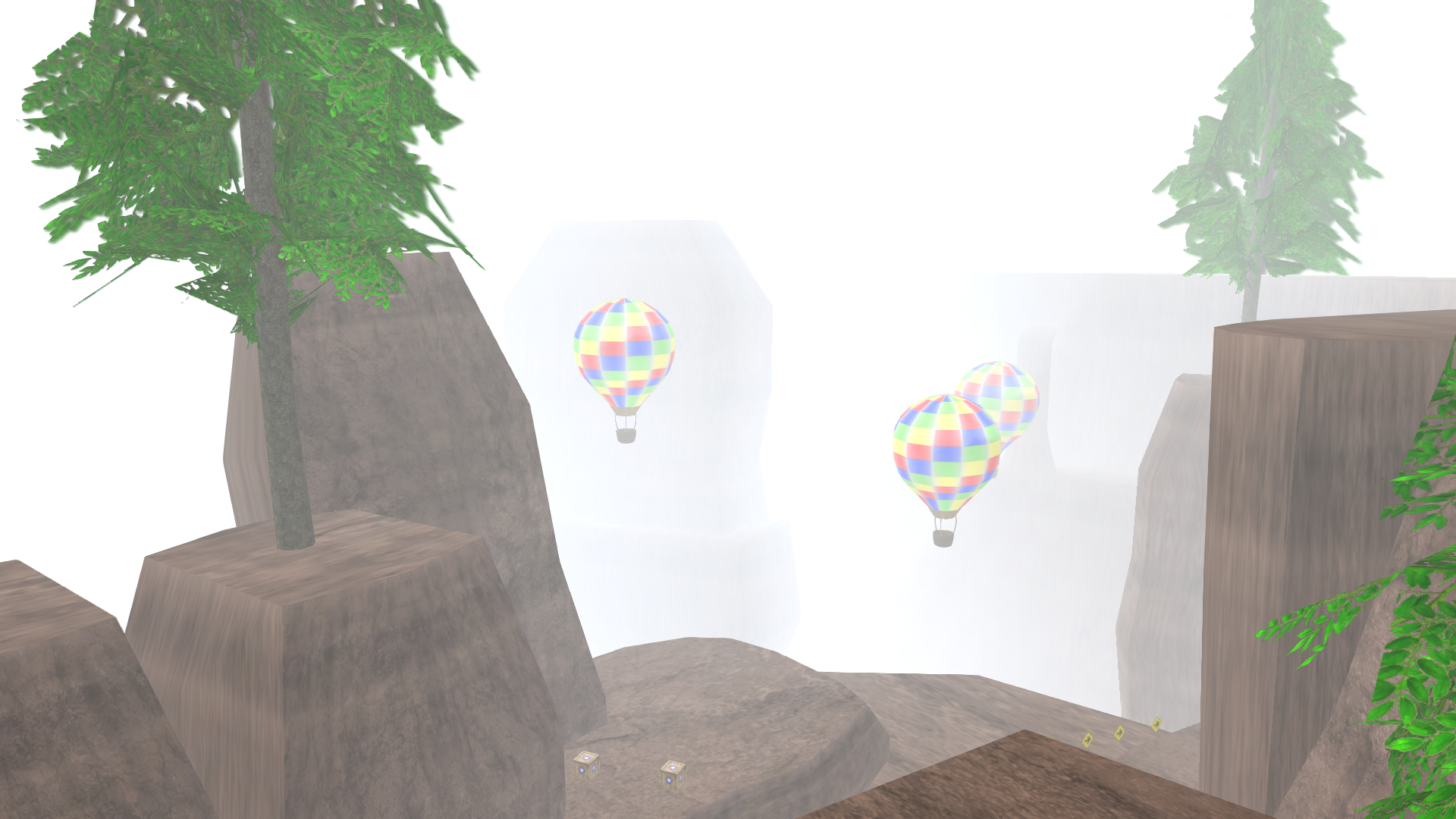
Alright, I think that’s enough. Did you spot the segue in one of those? In case you didn’t, Sand Ocean now looks borderline religiously faithful to the original stage from Sonic Adventure 2 because of the warm glow emitted by the giant torches. However, this was not projected by the flames themselves. Those by default don’t project any light. Instead, I found out that, if you add point lights to the stages and rotate them in the right directions (most stages stick with directional light, which affects every part of the stage instead of a single spot), you can multiply their visual quality exponentially. For reference, this was how I achieved the glow from Dry Lagoon’s water as showcased in the last update, as well as the green center lights on the Egg Carrier. This is just one of the small details in Ultimate that make a big difference, but let’s explore the rest before my ego’s inflated any further.
As feedback regarding Ultimate versus vanilla R9 has pointed out, the fonts for the legacy versions were… let’s just say, not fantastic. The font family chosen looked faithful to Vipnagorgialla, a common title font in Sonic Adventure 2, but the typical white and very light gray gradient makes it very hard to read when layered over bright textures and backdrops. This isn’t helped by the lack of a dark or opaque drop shadow, which the common DX font layers behind a generally more appealing font. For this reason, the DX font has been ported over to Ultimate, but of course only with the devs’ permission prior to release.
To segue, this UI change is often put on display in-game, where another change was made. Understandably, the legacy versions have a wider field of view in the spirit of the Adventure games andHeroes, but in a way similar to DX, Ultimate noticeably tightens the FOV to feel more like a modern game. After all, the whole idea of Sonic World—other than, you know, adding as much Sonic-related content as humanly possible—is to cross the Dreamcast era with modern visuals and mechanics, so this extra detail fits Ultimate like a glove.
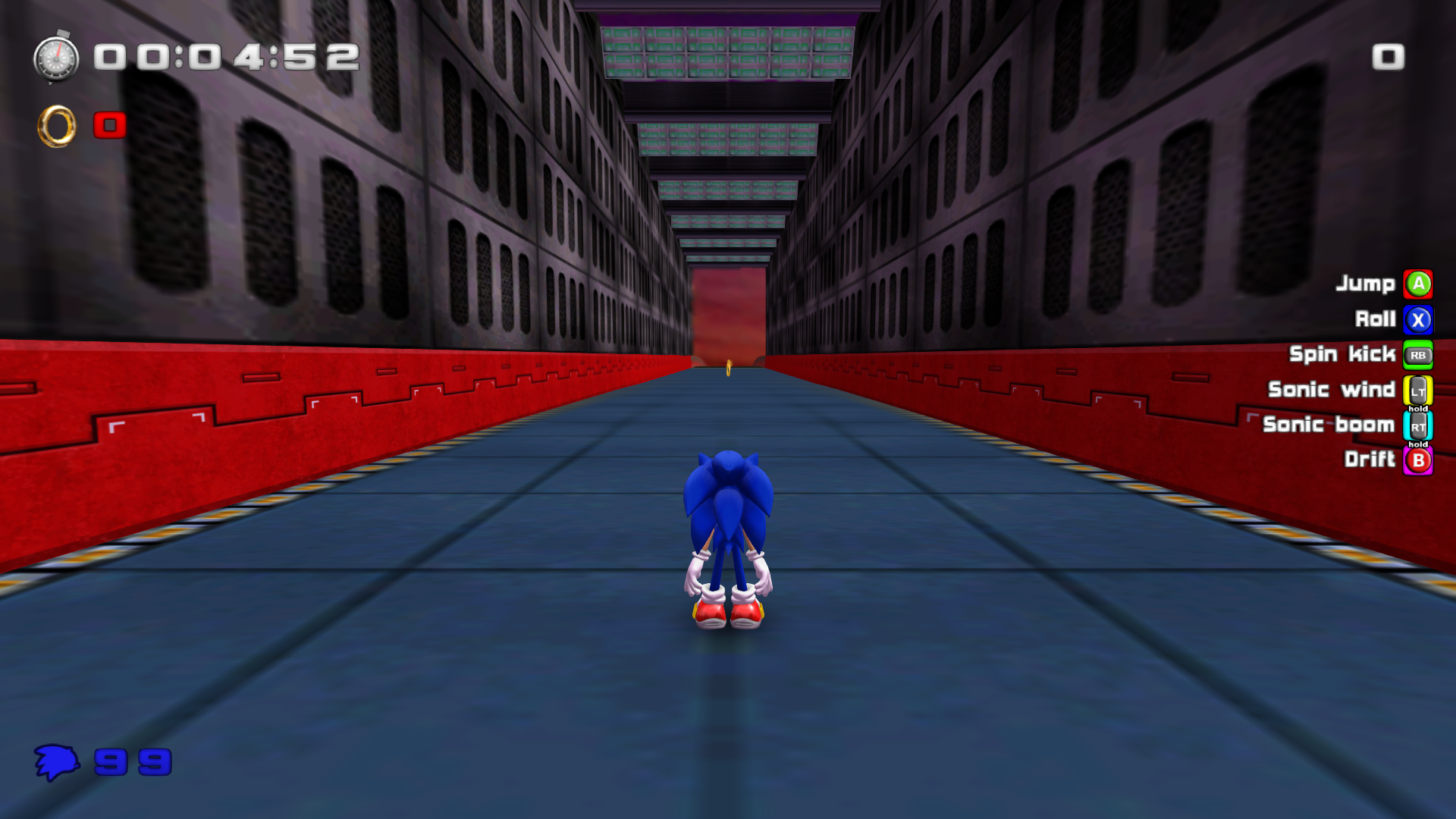
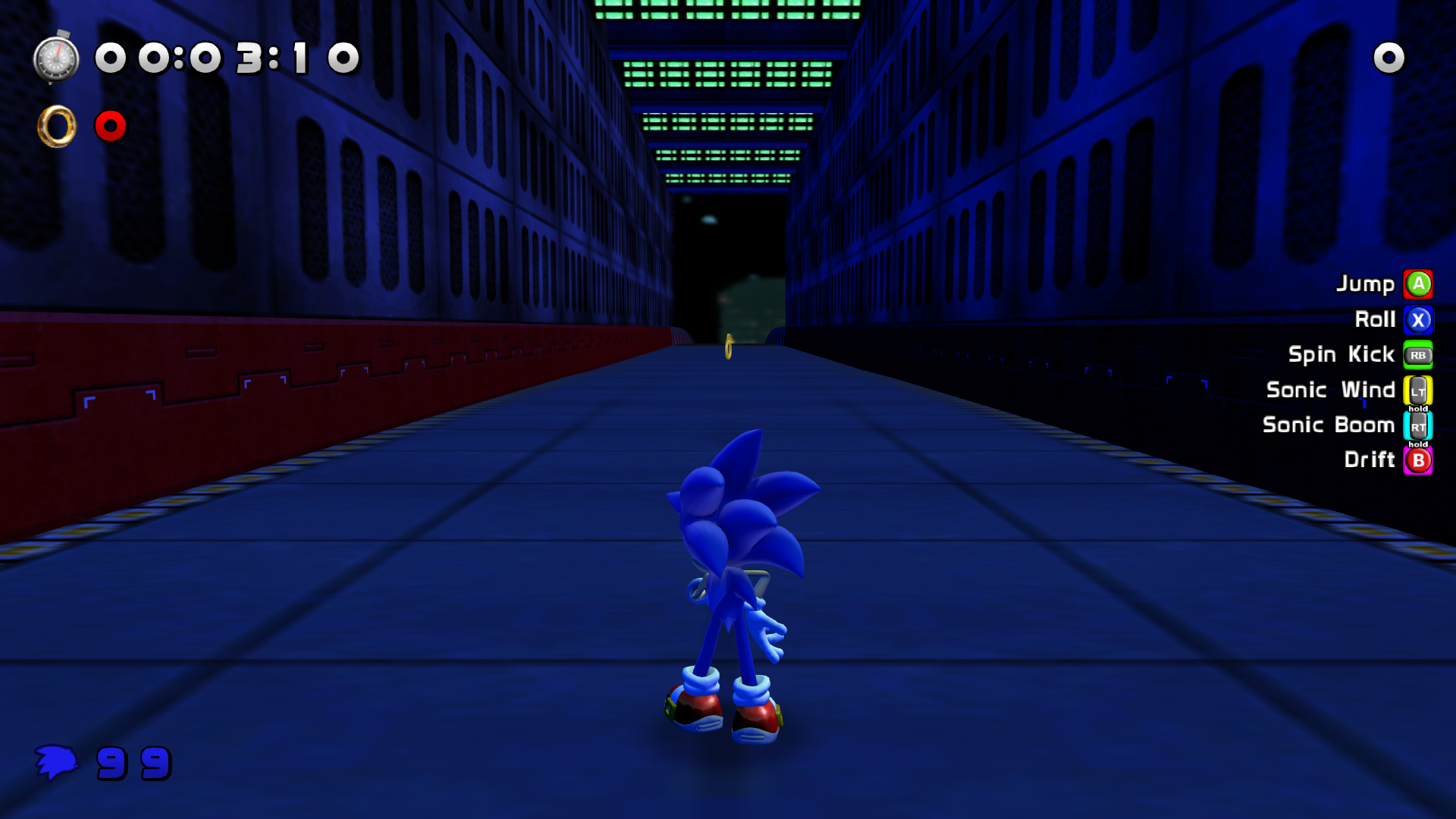
An in-game visual comparison between R9 and Ultimate…
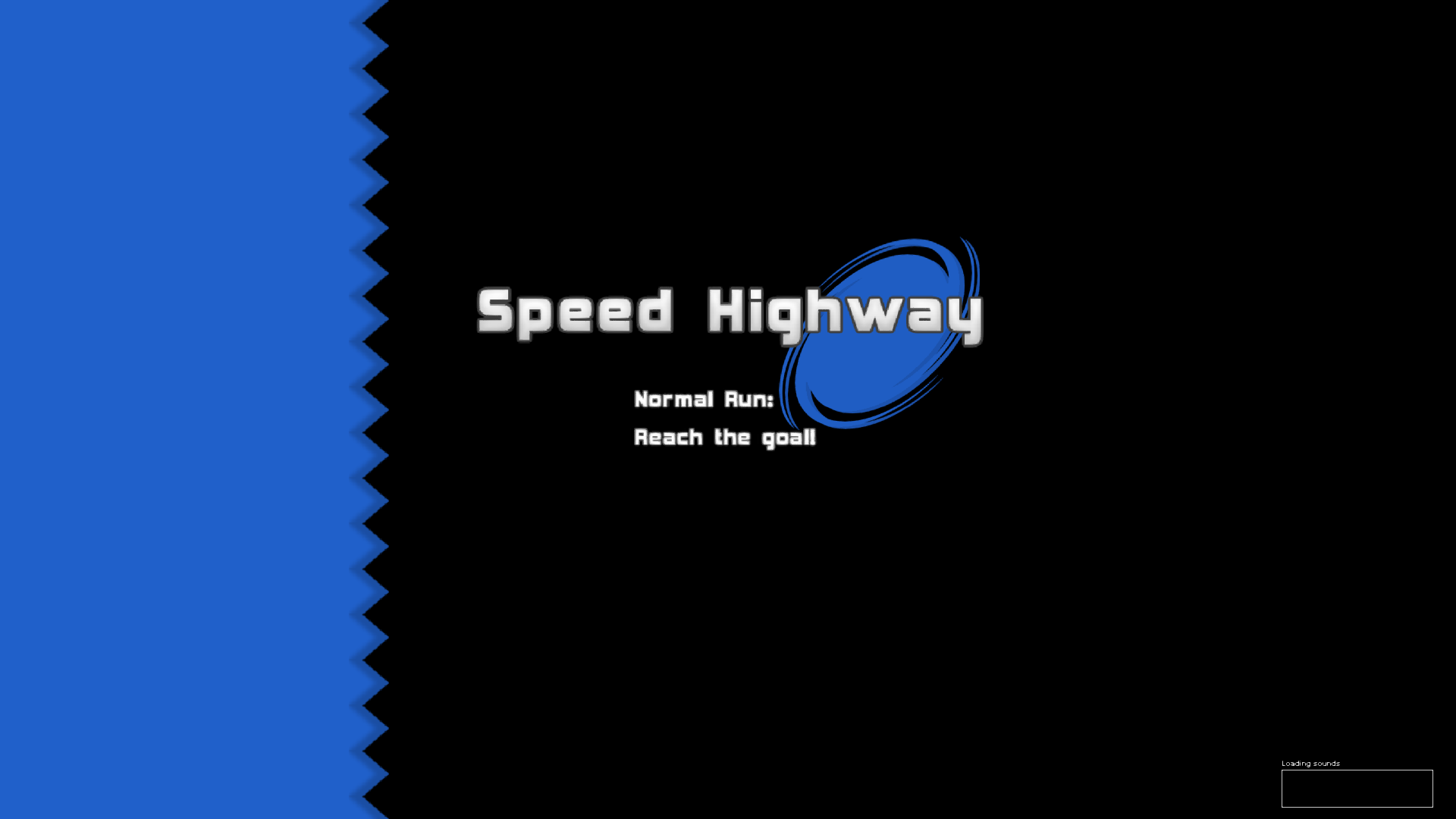
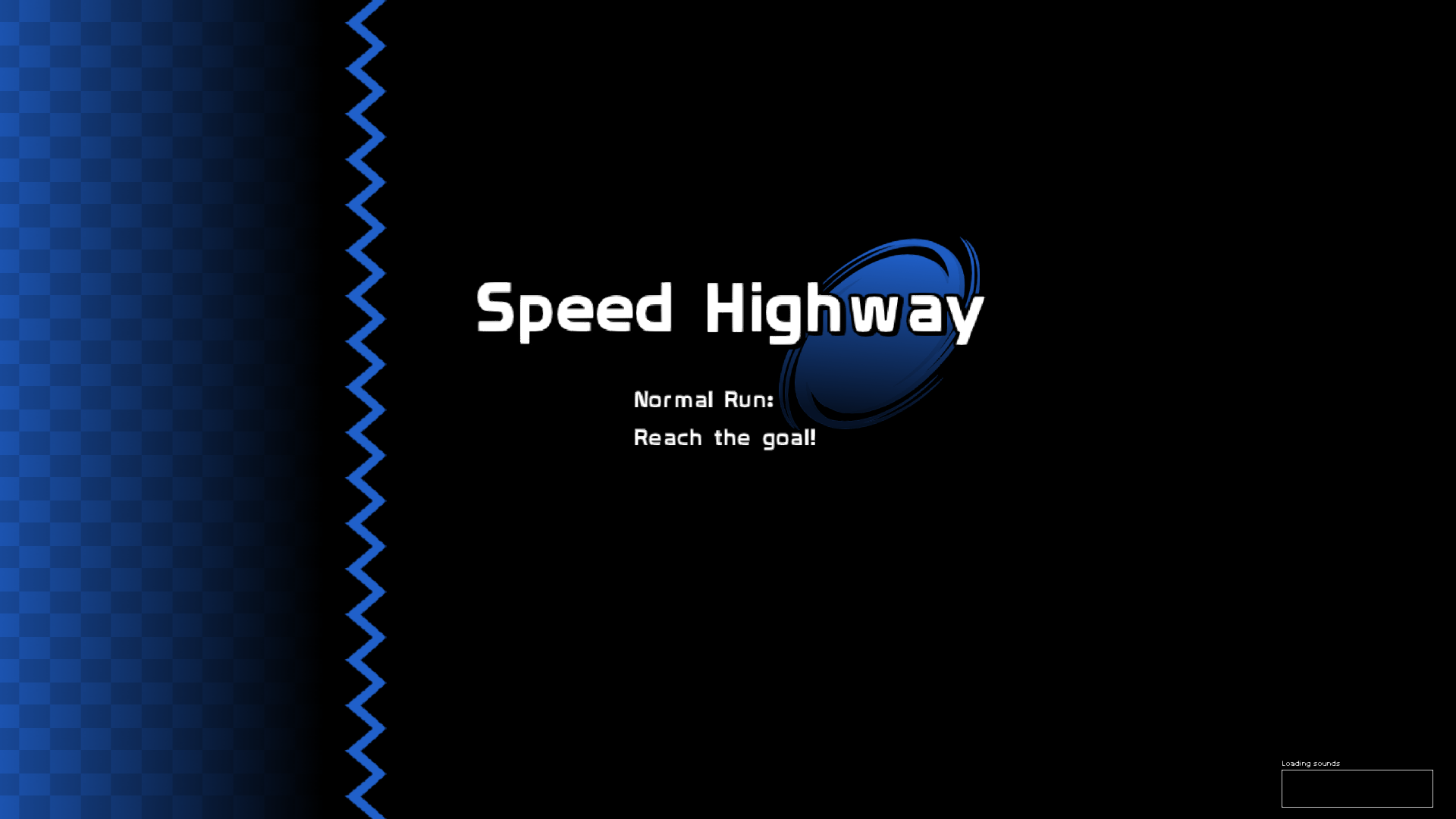
…plus a loading screen comparison that shows off the latter version’s very DX-style interface, only with the legacy checkerboard pattern instead of DX’s honeycomb.
Furthermore, most of the sounds have been changed, as well. For instance, the default menu sounds are those from Sonic Gems Collection as it’s essentially the pinnicle of clean, modern, Frutiger Aero-esque 2000s Sonic nostalgia (as mentioned here before, I played the Gems Collection far more than the Mega Collection for including early 3D games like Sonic R and Sonic the Fighters, as I almost never played any of the 2D classic games.) This comfy atmosphere is pushed further by the stage title card jingle, which went from the one from SA2 to the Windows 95 startup theme, as well as the victory theme now matching the one from ’06.
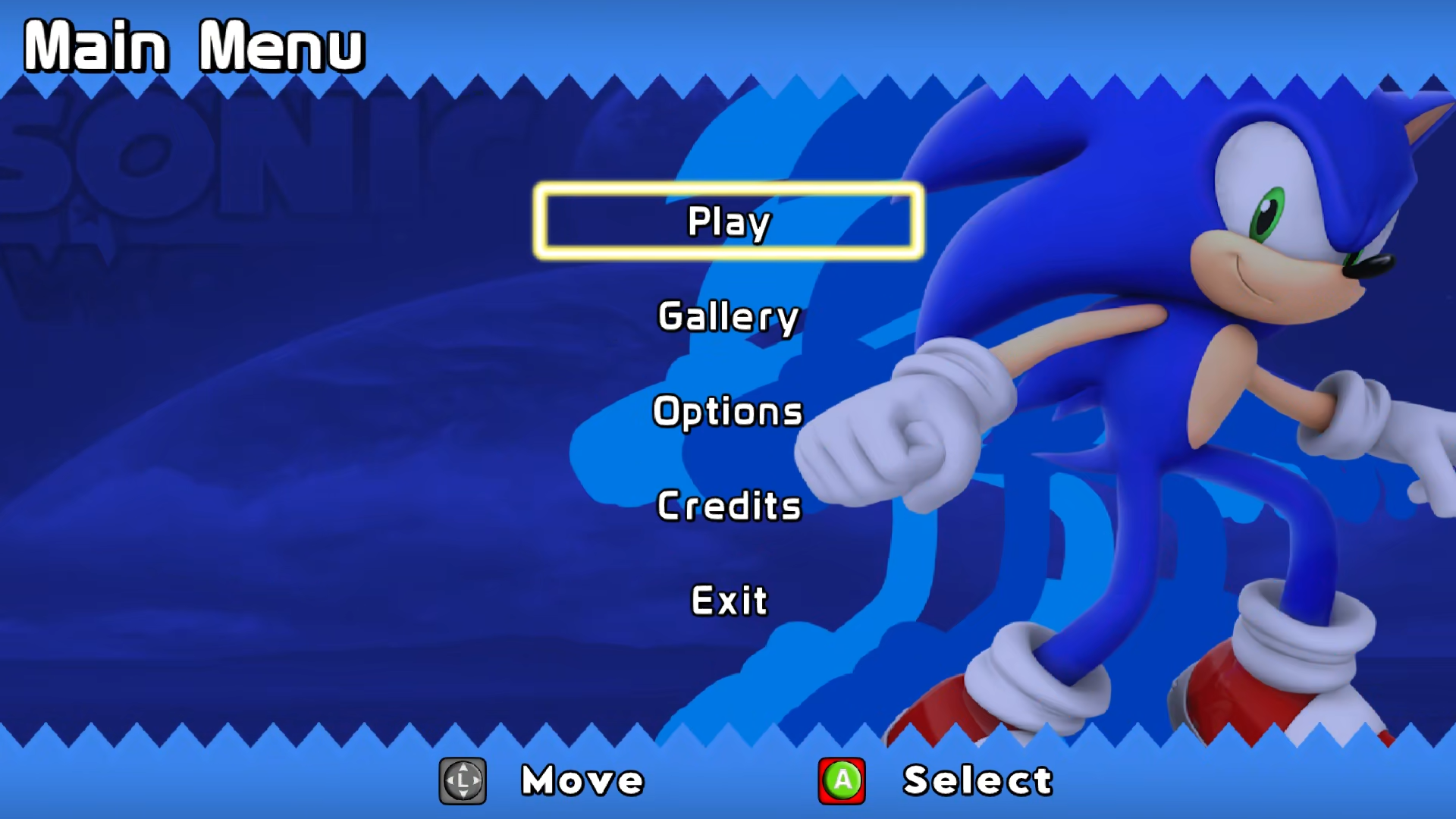
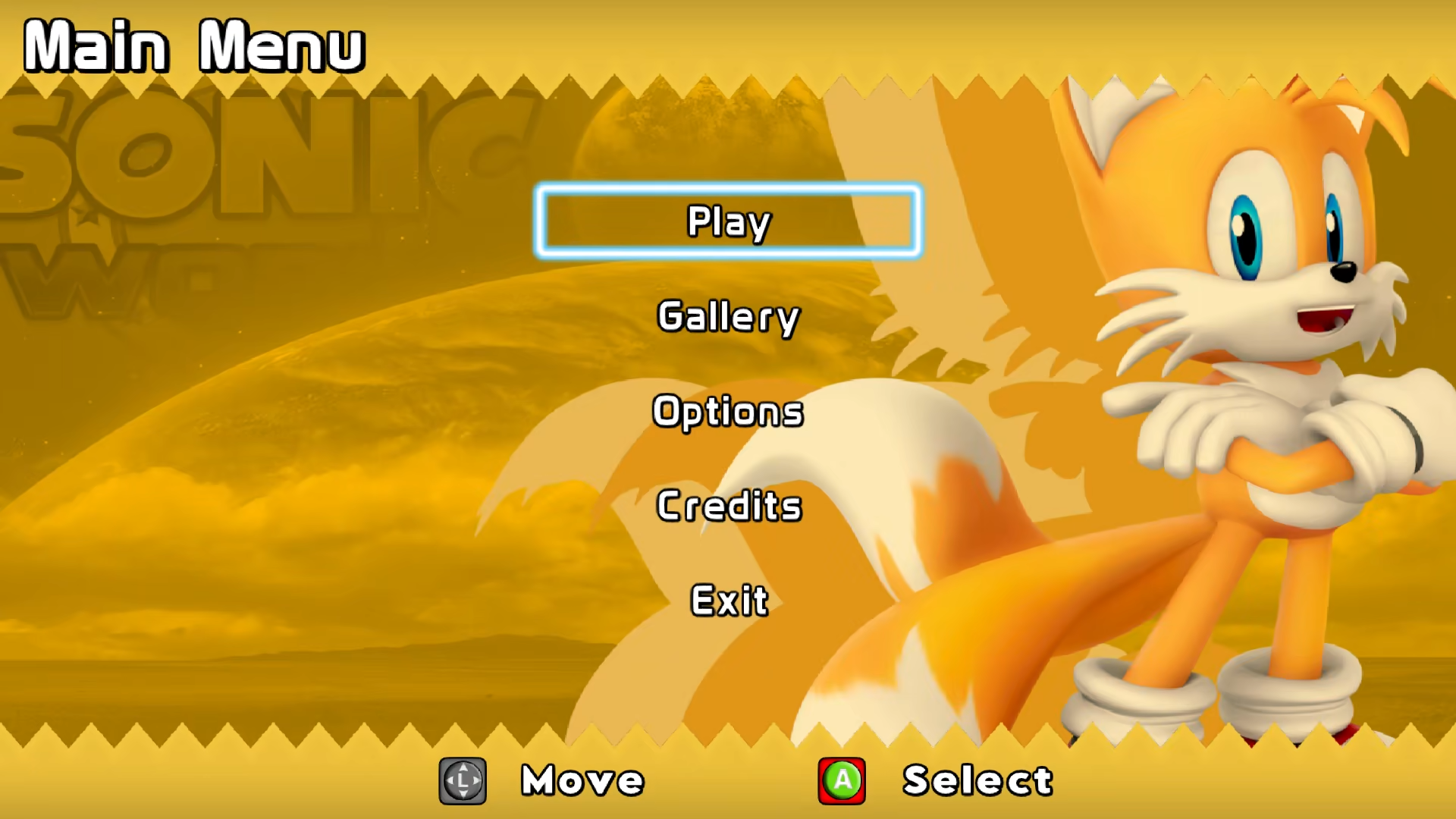
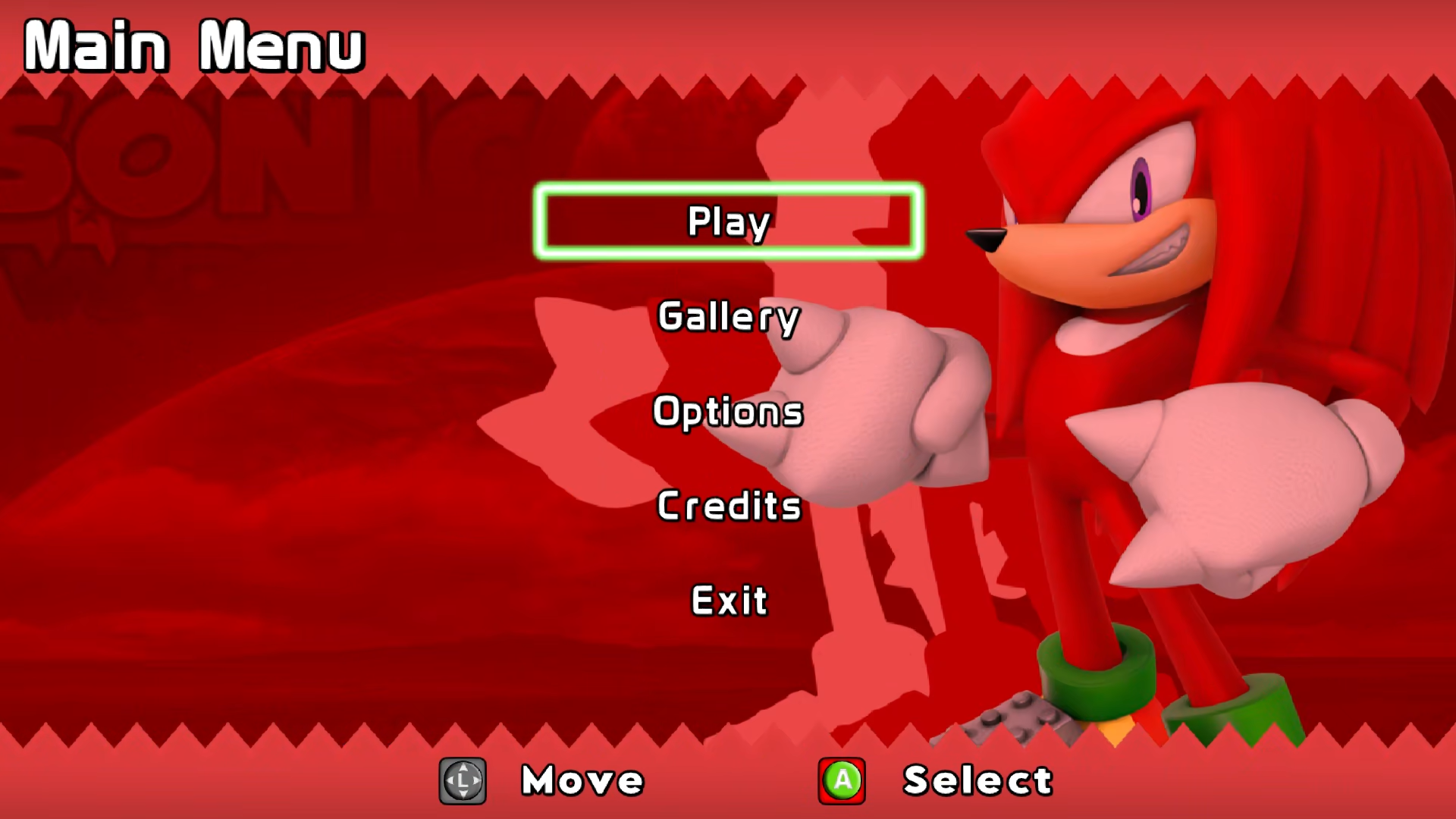
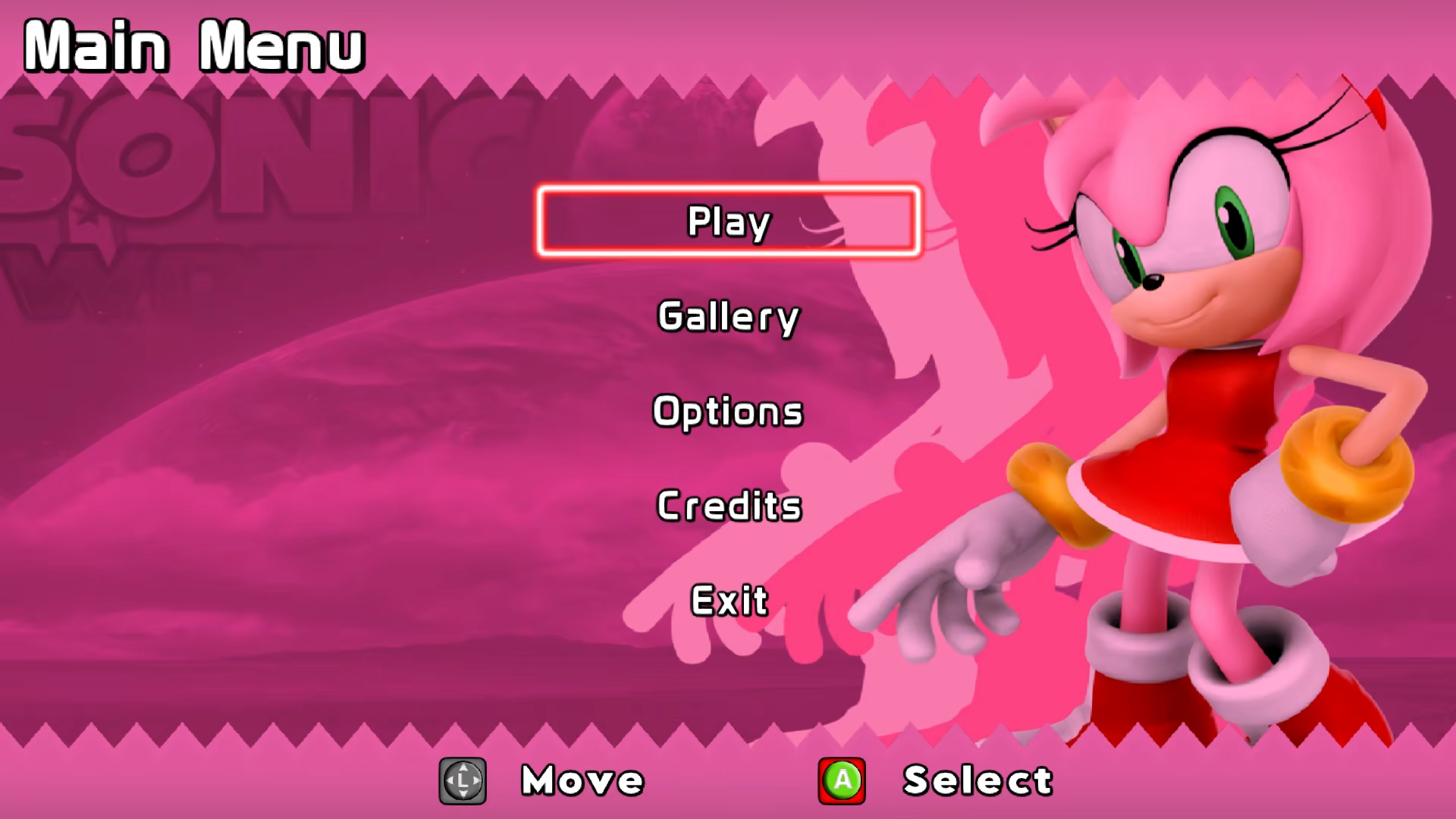
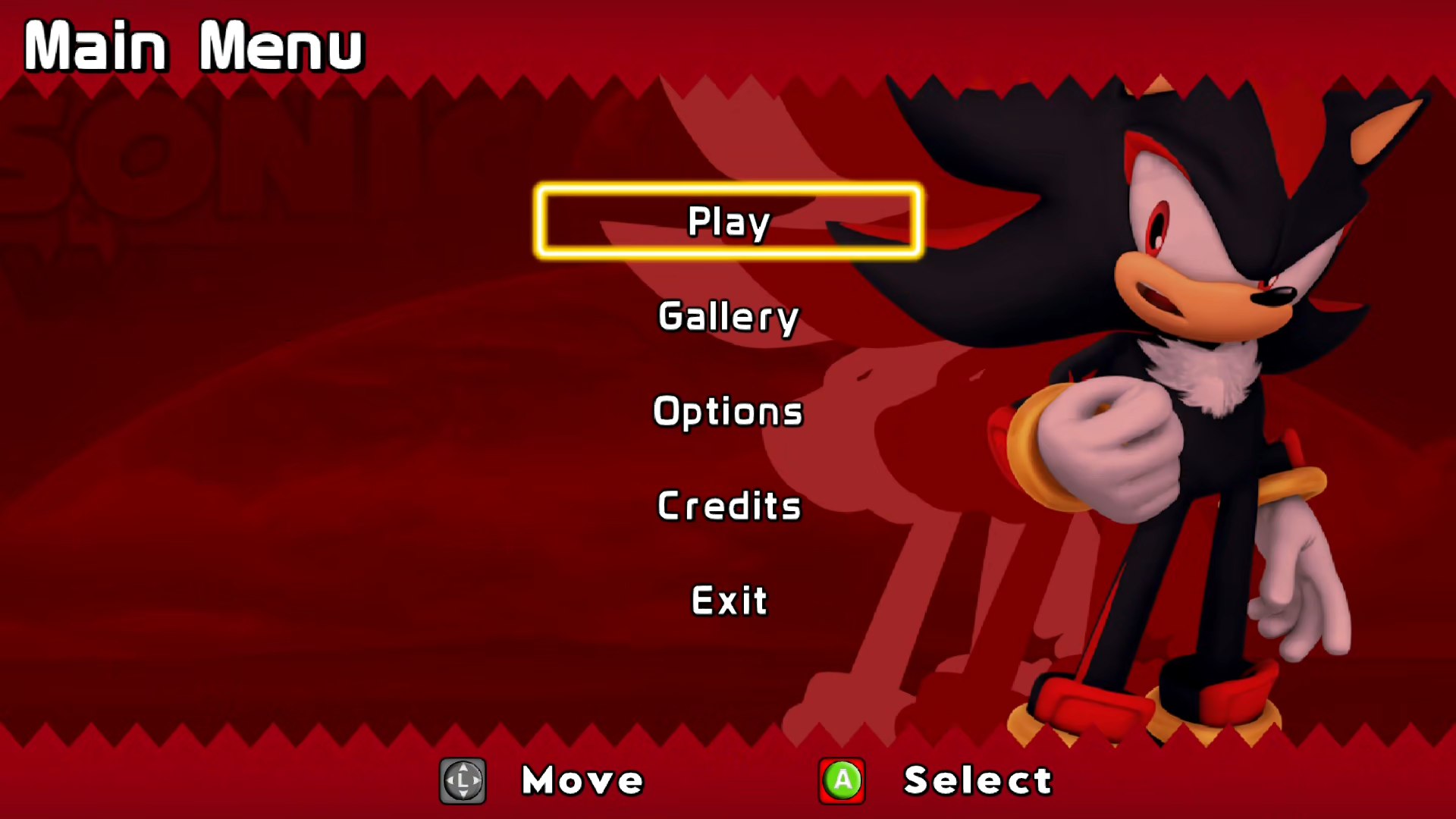
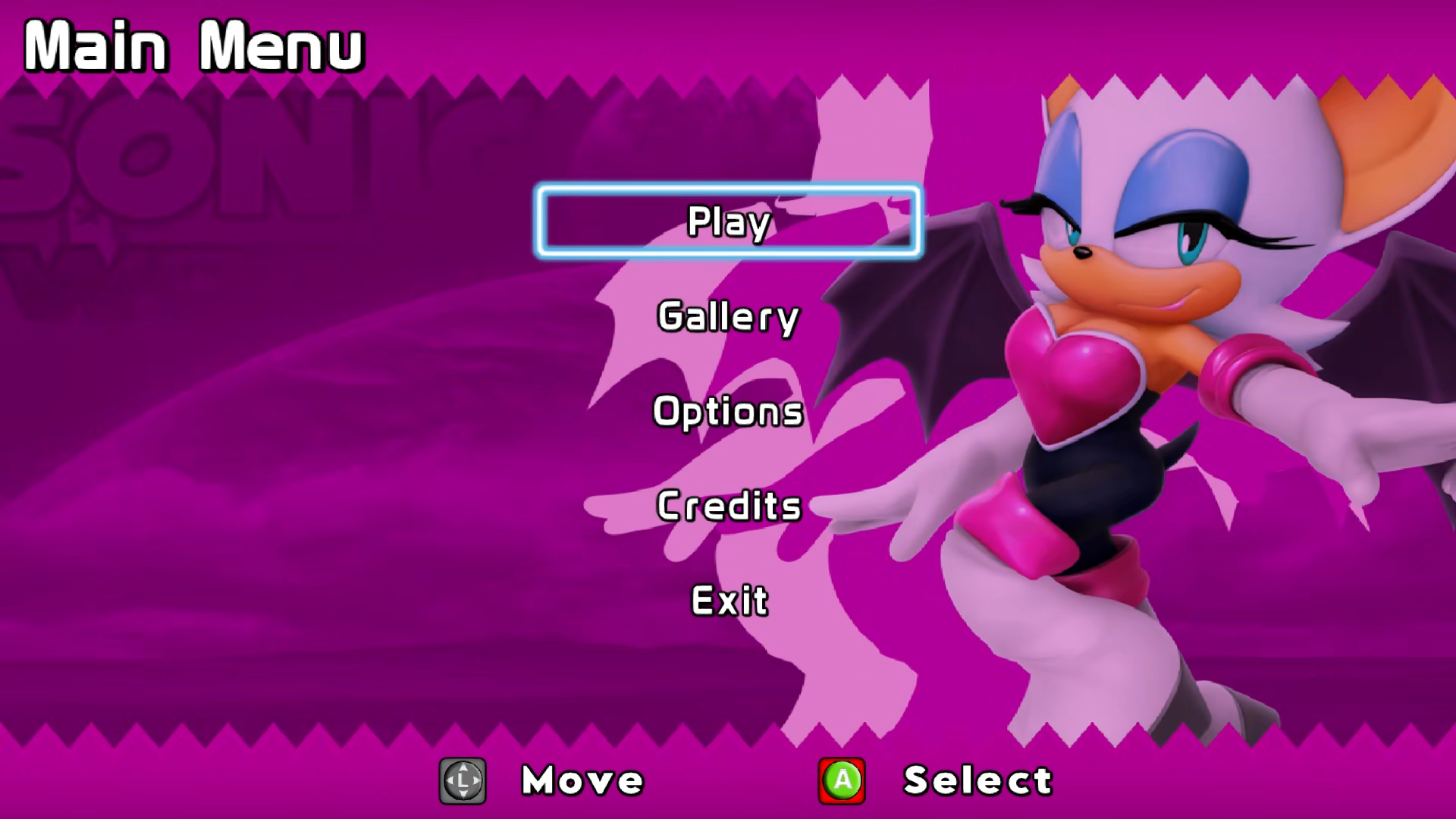
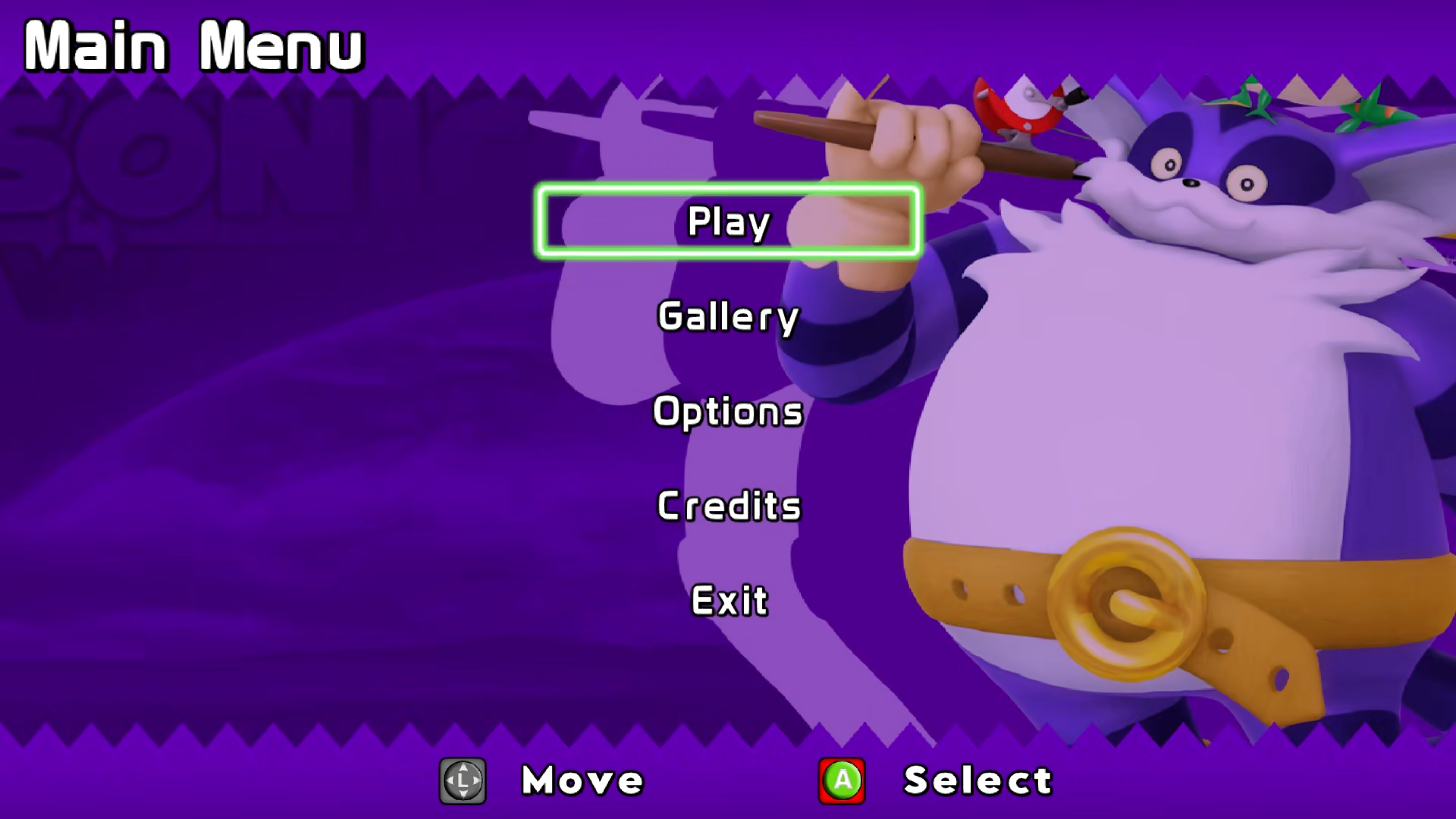
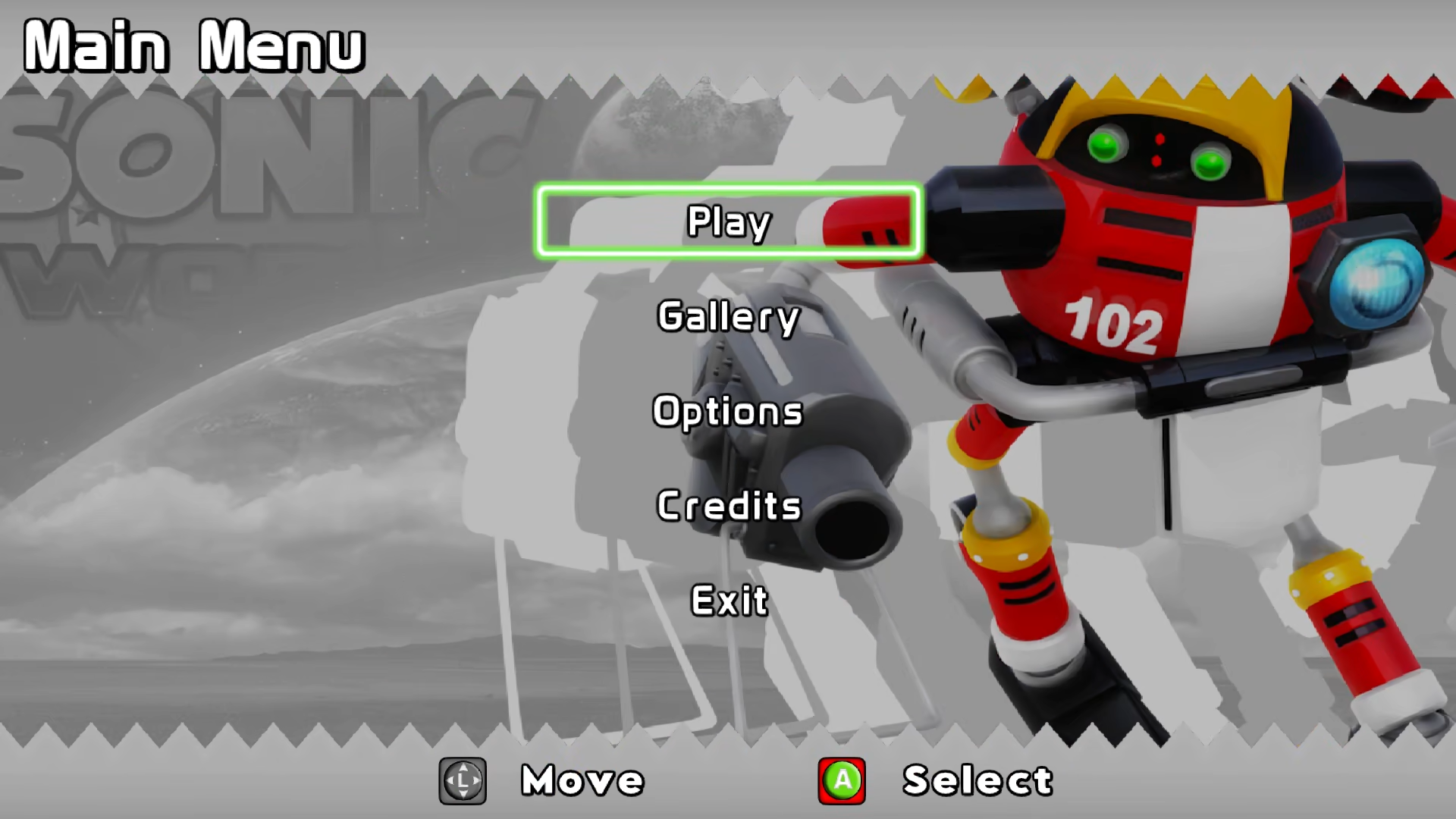
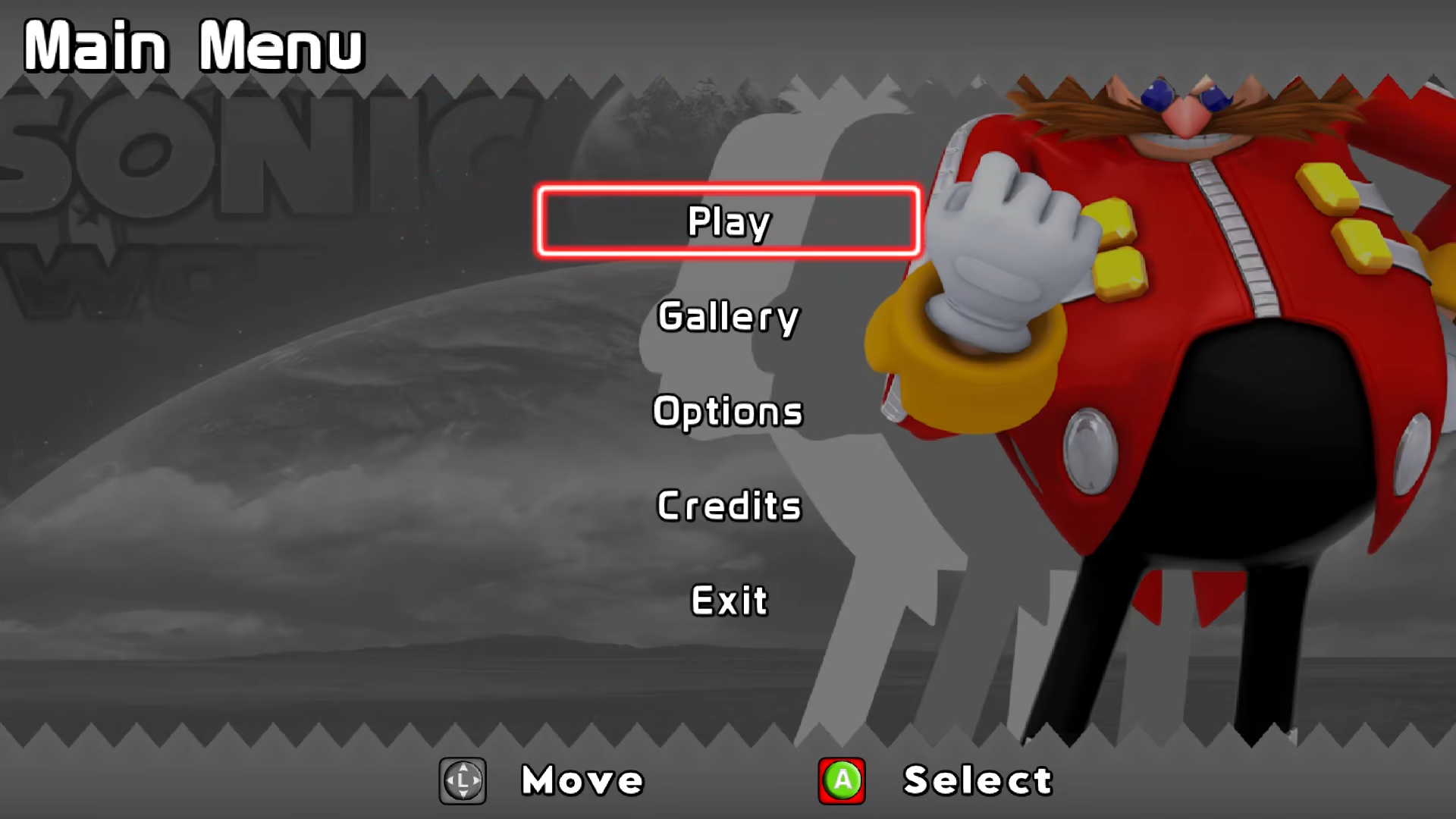
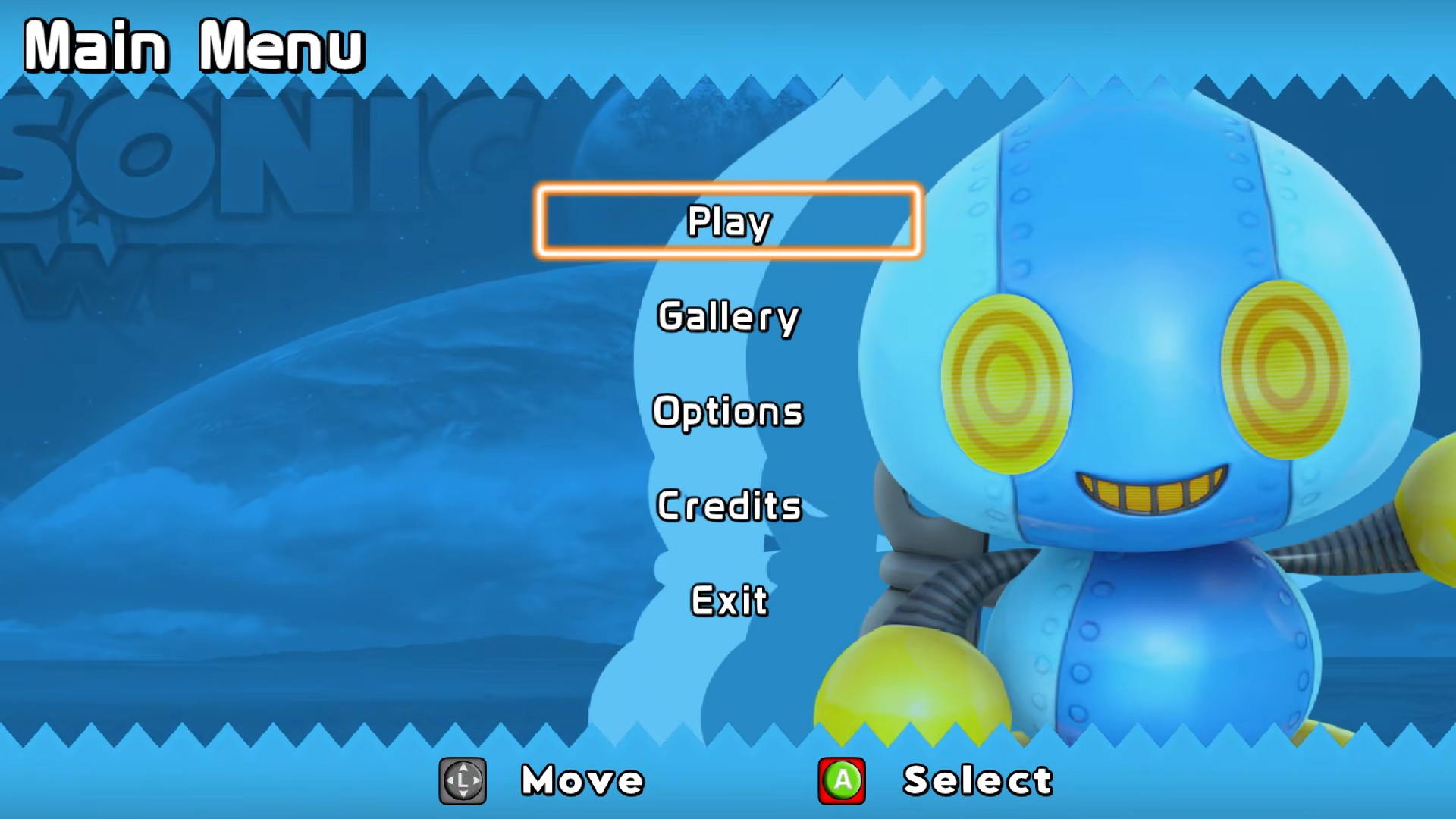
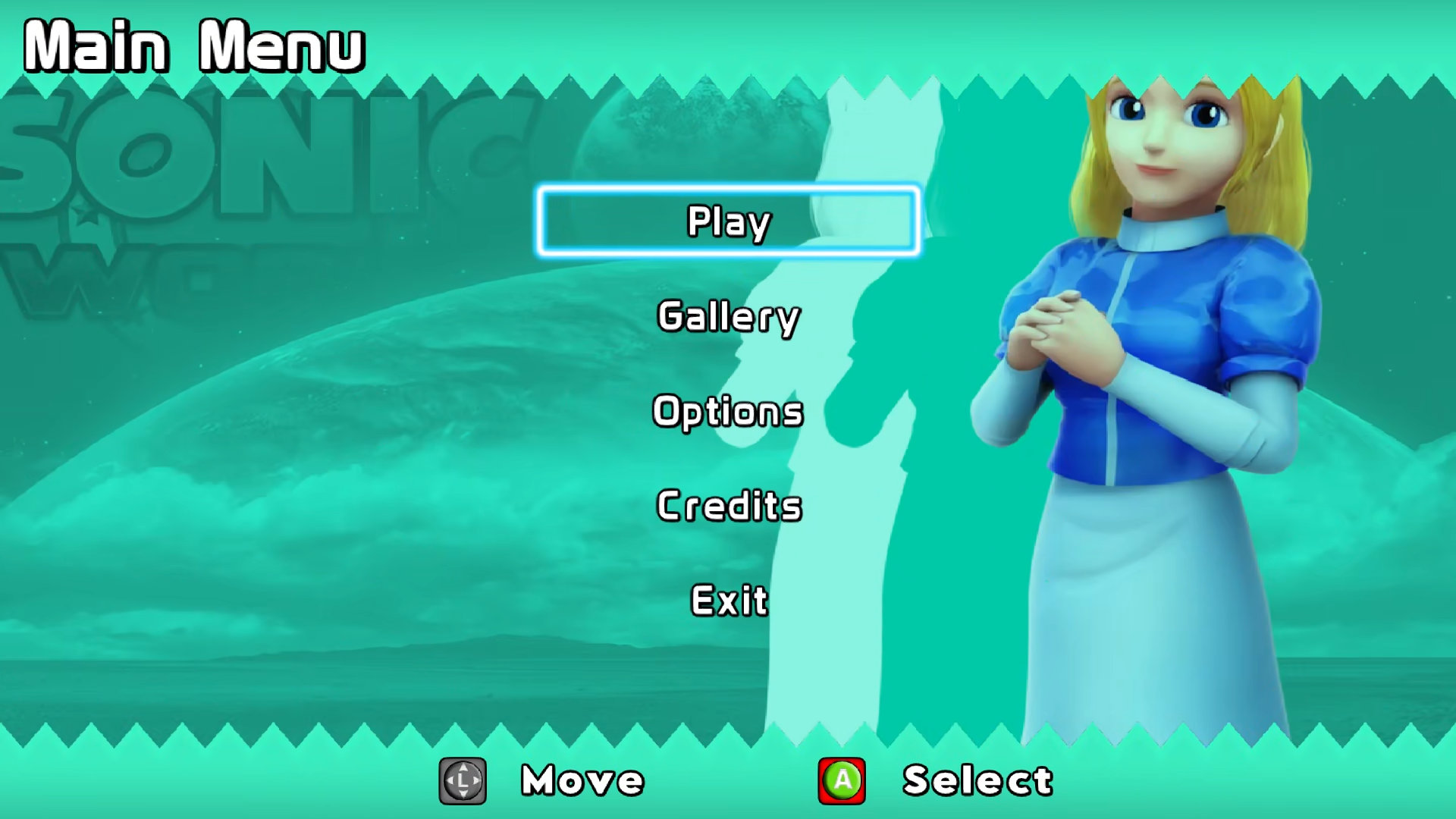
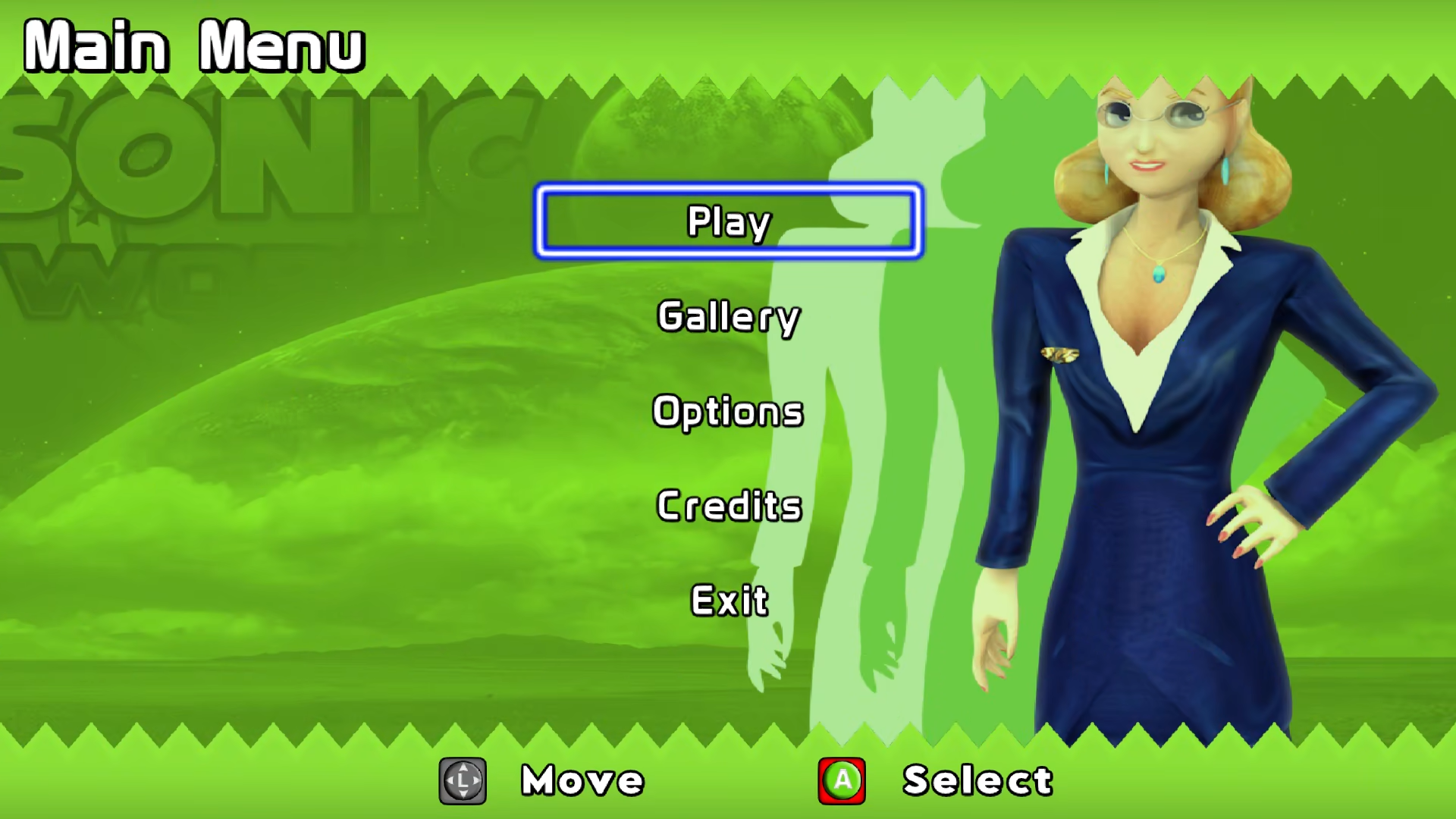
Of course, minus the in-game sound effects—such SFX as gunshots and other thrown projectiles, which include Espio’s ninja stars—the menu sounds will likely be made specific to the selected menu theme, which is another topic entirely. See, via the source code, menu themes both default and custom won’t just have their own custom logo and button textures, but custom transition cards as well, notably extending their customization range. Some default themes have been altered, like the amusement theme using the Sonic R soundtrack as well as the unused tutorial jingle from the Mega Collection, while the main menu background is replaced by a photo of the real-life Station Square in Pittsburg, PA (yes, the same state I grew up in!); other backgrounds have holiday themes, Mystic Ruins woodland vibes, and more, with a dark and relaxing lounge theme also being added. When it comes to custom themes, the slot limit has been extended by a decent amount, and many themes will be available from the start. These include GameCube and Wii themes as well as every character theme from the Adventure games: Sonic, Tails, Knuckles, Amy, Shadow, Rouge, Big, Gamma, Eggman, Omochao, Maria, and yes, even the president’s secretary! You’ll get to hear the character for each theme say something to you at startup, so for any given reason, if you’ve wanted to be referred to as “Mr. President” or for Shadow to call you the true Ultimate Life Form, this here’s your shot. While some mainstream songs are included in my personal version only, like “Ghosts Again” by Depeche Mode playing in Shadow’s theme, converting your own songs to .ogg using Audacity is a cakewalk.
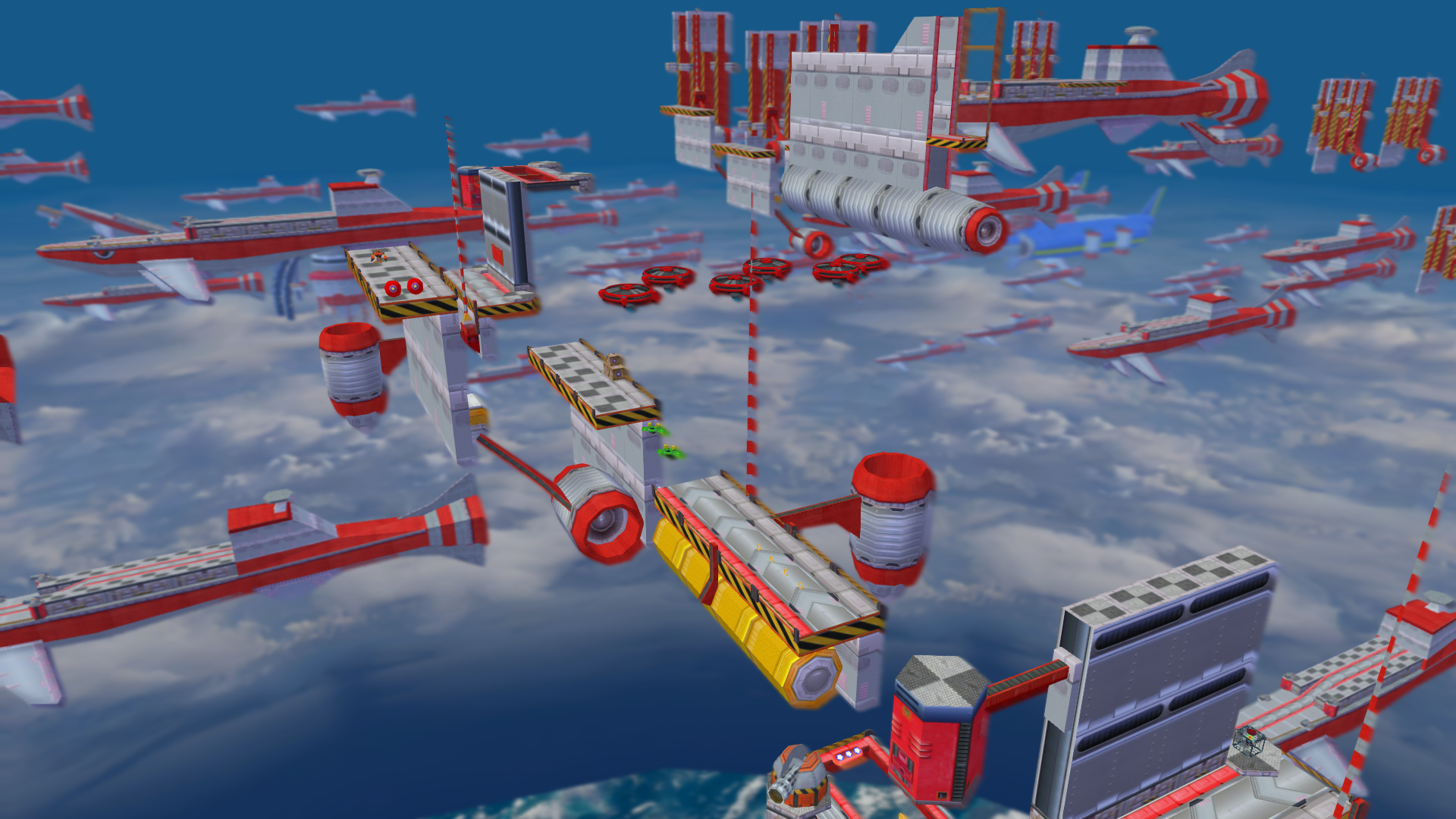
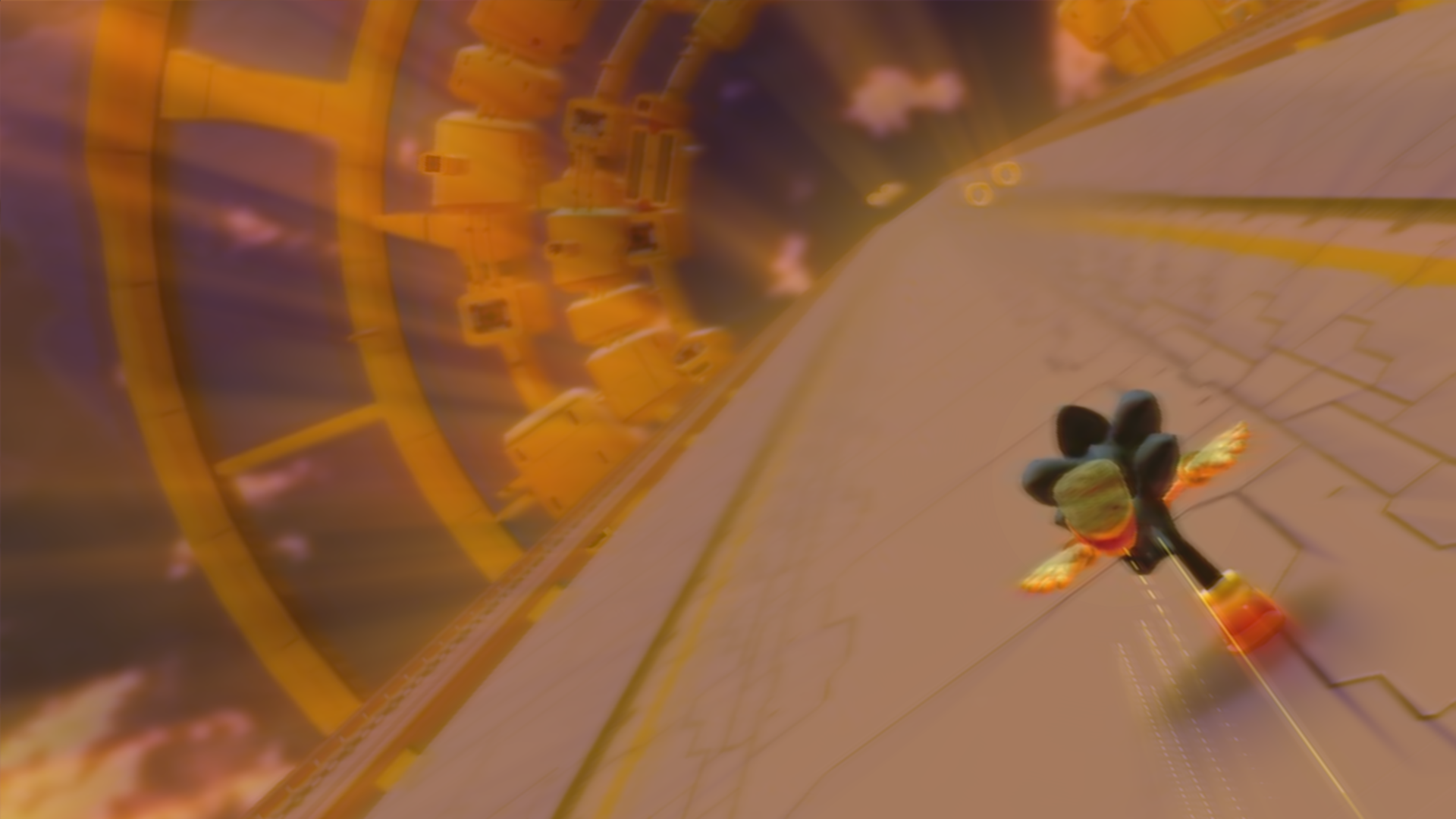
While we’re on the subject of visuals, I revealed the encore version of ARK Lap in the first update as Terminal Velocity. Well, I’ve enhanced the original ARK Lap since, but I also hinted that there was a very specific reason for picking this encore version. That reason is, believe it or not, linked to a Sonic ’06-related dream I had one night, and trust me, it won’t be the last Sonic-related dream I’ll be telling about and visualizing in the next few days. This involved Sonic and Tails exploring the Egg Carrier from that game although its interior never existed. This was a boxy extended equivalent of Eggman’s train interior after Radical Train, complete with quirky sci-fi devices akin to the first Egg Carrier interior fromSonic Adventure. Then, though, there was a climactic sequence in which Sonic raced at mach speed down to Earth along a vertical runway. Later, and although I never played or read much on Sonic Colors when it came out, I found out how faithful Terminal Velocity was to this second sequence, so the recreation image below shows how the ARK Lap reskin below only leans further into that thanks to the violent heat resulting from the reentry.
Moving onto the subject of bug fixes, the 8GB patch is common knowledge among DX players, relatively speaking. Then again, I insist that you apply it to the legacy versions as, much like DX, it can keep the game from crashing and assets from unloading within minutes. This makes it a must in the case of this mod, but the fixes don’t stop there. I’ve provided this to Gamebanana already, but to make even more people aware, the latest legacy versions saw Metal Harbor break when hitting the first loop-dee-loop. Doing so will result in you getting stuck running endlessly into the side railing, and since the automated force only cuts off at the end of the loop-dee-loop, this forces you to restart. In a mildly comedic way, when I had far less experience with this modding stuff, I figured out rather quickly that simply rotating the force of the dash panels toward the start of the loop-dee-loop via the stage’s XML fixes the whole problem! Obviously, this is made the case by default in Ultimate.
Now, this is the last I’ll be sharing of this project for a little while, as bringing this before the DX devs has led to some natural anxiety on my end—they’ve actually been quite generous about it—so I’ll mention one of the biggest small fixes this mod introduces: plant transparency. See, certain plants like reeds and palm trees have multiple layers, and somewhat like the palms in Sonic Adventure DX, the order of these layers switches rapidly whenever the camera moves. This is because the textures within the objects’ .b3d files share the flags “color” and “alpha”, even in DX, meaning the same glitches happen there. The answer? Well, it makes the edges of the textures blockier, but what you do is fill their backgrounds with black and add the “masked” flag via fragMOTION, and this will properly render all the layers. Again, this certainly doesn’t result in smooth edges, but it is less distracting than all that flickering.
Leave a Reply